Colombia’s Fiesta Nacional: Celebrating Independence and Cultural Identity
Every year on July 20, Colombia celebrates its Fiesta Nacional, officially known as Día de la Independencia (Independence Day). This date commemorates the events of 1810, when Creole leaders in Bogotá demanded autonomy from Spanish rule. This set in motion a long process that would lead to full independence in 1819.
Origins and History of Colombia’s Fiesta Nacional
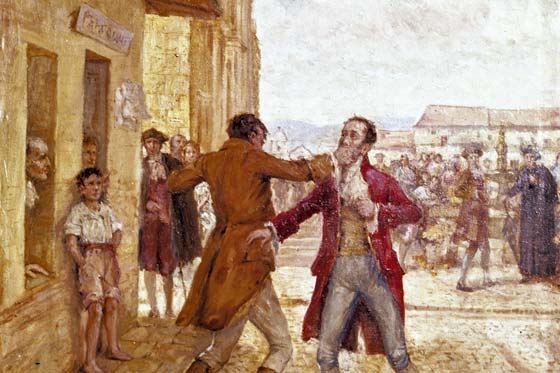
The movement for independence began with what seemed like a minor incident: a dispute over a flower vase. The infamous Florero de Llorente (Llorente’s flower vase) has become a national symbol of resistance. In 1810, the criollo (Creole, American born) patriot Antonio Morales attempted to borrow a vase from peninsular (Spanish-born) merchant José González Llorente. The criollos knew that Llorente would deny their request, due to existing tensions between the criollos and peninsulares. When Llorente refused, it sparked outrage and indignation among the criollos. This incident was a pretext to rally the people and form a local governing body in Bogotá on July 20, 1810—Colombia’s first official step toward freedom.
How People Celebrate Colombia’s Fiesta Nacional Today
Today, people celebrate Colombia’s Día de la Independencia throughout the country with desfiles militares (military parades), actos cívicos (civic ceremonies), and a strong display of national pride. In Bogotá, the president typically presides over an official ceremony in the Plaza de Bolívar. Here the national flag is raised and the Himno Nacional de Colombia (National Anthem of Colombia) is sung.
One of the most anticipated events is the Desfile Militar del 20 de Julio (July 20th Military Parade), featuring the armed forces, national police, and other institutions. The parade is broadcast nationwide and millions of Colombians watch it.
In schools and neighborhoods, people organize concursos de bandas marciales (marching band competitions), muestras folclóricas (folk dance performances), and ferias gastronómicas (food fairs). Everyone dresses in the colors of the national flag—amarillo, azul y rojo (yellow, blue, and red)—and people greet each other warmly with “¡Feliz Día de la Independencia!” (Happy Independence Day!).
Traditional Food and Culture of Colombia’s Día de la Independencia
Food is central to the celebration of Colombia’s Fiesta Nacional. Different regions prepare their signature dishes, such as ajiaco santafereño (a chicken and potato soup from Bogotá), bandeja paisa (a hearty platter with beans, rice, meat, and plantains), and lechona tolimense (stuffed roasted pork from Tolima). On the Caribbean coast, you’ll find pescado frito (fried fish) and arroz con coco (coconut rice). Popular treats include obleas con arequipe (thin wafers with caramel) and buñuelos (fried cheese balls).
Cultural events often feature traditional dances like the bambuco, mapalé, and cumbia, each representing a different region of Colombia. In town squares and parks, live performances highlight genres such as vallenato, salsa, and música llanera (plains music), reflecting Colombia’s diverse musical heritage.
Cultural Significance Today of Colombia’s Fiesta Nacional
Día de la Independencia is more than a historical anniversary. It is a celebration of Colombia’s identity as a diverse and vibrant nation. With its rich blend of regions, ethnicities, and traditions, Colombia honors not just its past, but the unity and resilience of its people. The day represents orgullo nacional (national pride), historical memory, and hope for the future.
For Colombians living abroad, July 20 is also a chance to connect with their roots. In cities like New York, Madrid, and Buenos Aires, communities organize desfiles (parades), encuentros comunitarios (community gatherings), and misas conmemorativas (commemorative masses).
Colombia’s Fiesta Nacional is a day of color, sound, and spirit. With the rhythm of drums, the flavor of traditional dishes, and the waving of the bandera tricolor (tricolor flag), Colombians come together to remember their journey to freedom. Inside and outside the country, voices rise to say with pride: ¡Viva Colombia! (Long live Colombia!).
Get on the road to speaking Spanish with the Language Garage!
We hope you’ve enjoyed learning about Colombia’s Fiesta Nacional, or Día de la Independencia. If you’d like to learn more:
- Follow us on Facebook, LinkedIn, BlueSky, Twitter, Threads, Mastodon, Instagram, or Pinterest. We publish lots of Spanish vocabulary, grammar, and culture notes, so it’s a great way to pick up some new vocabulary and practice.
- Check out our other posts on Spanish language, culture, and more.
- Enroll in affordable, flexible, and personalized private online Spanish lessons or sign up for a small group online Spanish class.
- Create a free Language Garage account to access tons of Spanish vocabulary, grammar, and culture.
Image Source Wikimedia Commons