Das ist köstlich! It’s delicious! German Restaurant Vocabulary
In this post we’ll learn some German restaurant vocabulary. First, we’ll look at vocabulary and expressions that you can use when you arrive at a restaurant. Then we’ll turn to vocabulary related to ordering food. Next we’ll turn to special diets in case you need that vocabulary. After that we’ll look at vocabulary related to spice levels, which may or may not come in handy depending on what sort of food you like to eat. Finally, we’ll close with expressions that you can use if someone asks how your food is, or if there’s any problem with your order.
In einem Restaurant: At a restaurant.
First, let’s look at some German restaurant vocabulary that you can use when you arrive at a restaurant.
- Einen Tisch für eine Person/drei Personen/vier Personen/fünf Personen, bitte.
A table for one/two/three/four/five, please. - Haben Sie eine Reservierung?
Do you have a reservation? - Ich habe eine Reservierung. Wir haben eine Reservierung.
I have a reservation. We have a reservation. - Ich habe keine Reservierung. Wir haben keine Reservierung.
I don’t have a reservation. We don’t have a reservation. - Haben Sie eine Speisekarte?
Do you have a menu? - Haben Sie eine englische Speisekarte?
Do you have a menu in English? - Haben Sie eine Weinkarte?
Do you have a wine list?

Ordering Food
Now let’s turn to some vocabulary and expressions related to ordering food. For German vocabulary related to the food itself, check out this post.
- Möchten Sie bestellen?
Are you ready to order? - Ich würde gern bestellen. Wir würden gern bestellen.
I’m ready to order. We’re ready to order. - Ich brauche noch etwas Zeit. Wir brauchen noch etwas Zeit.
I’m not ready to order. We’re not ready to order. - Noch ein paar Minuten, bitte.
A few more minutes, please. - Was können Sie empfehlen?
What do you recommend? - Könnte ich eine Serviette/eine Gabel/ein Messer/einen Löffel/Essstäbchen bekommen?
Could I have a napkin/fork/knife/spoon/chopsticks? - Könnte ich ein Glas Wasser bekommen?
Could I have a glass of water? - Die Rechnung, bitte.
Check, please. - Wo bezahle ich?
Where do I pay?
Ich bin Vegetarier/Vegetarierin. I’m vegetarian.
Now let’s turn to special diets. If you’re on any kind of restricted diet, you may need to know these helpful expressions before you order.
- Ich mache eine Diät.
I’m on a diet. - Ich bin Vegetarier/Vegetarierin. Ich esse kein Fleisch und keinen Fisch.
I’m vegetarian. I don’t eat meat or fish. - Ich bin Veganer/Veganerin. Ich esse keinerlei tierische Produkte.
I’m vegan. I don’t eat any animal products. - Ich esse kein Gluten.
I don’t eat gluten. - Ich habe eine Erdnussallergie.
I’m allergic to peanuts. - Ich bin allergisch gegen Molkereiprodukte.
I’m allergic to dairy products. - Ich habe eine Nussallergie.
I’m allergic to tree nuts. - Ich habe eine Muschelallergie.
I’m allergic to shellfish. - Ich trinken keinen Alkohol.
I don’t drink alcohol. - Ich trinke kein Koffein.
I don’t drink caffeine. - Ist das Essen koscher?
Is this food kosher? - Ist das Essen halal?
Is this food halal?
Nicht zu scharf! Not too spicy!
Depending on what kind of food you’re going to eat, spice may be something you need to talk about. People can tolerate different levels of heat in their food, so you may want to say:
- Ist das scharf?
Is this spicy? - Ich esse gern scharf.
I like spicy food. - Ich esse nicht gern scharf.
I don’t like spicy food. - Sehr scharf, bitte.
Very spicy, please. - Mittelscharf, bitte.
Medium spicy, please. - Nicht scharf, bitte.
Not spicy, please. - Das ist zu scharf.
It’s too spicy.
Wie schmeckt es Ihnen? How’s your food?
Finally, let’s wrap up our discussion of German restaurant vocabulary with some expressions you can use to talk about your food. The four basic tastes are salzig (salty), süß (sweet), bitter (bitter), sauer (sour). But if someone asks how your food is, you’ll probably want know a bit more than that.
- Es ist köstlich.
It’s delicious. - Es ist sehr gut.
It’s great. - Das Essen ist vorzüglich.
This food is excellent. - Es ist zu heiß.
It’s too hot. - Es ist zu kalt.
It’s too cold. - Es ist zu süß.
It’s too sweet. - Es ist zu salzig.
It’s too salty. - Es schmeckt zu fade.
It’s tasteless/bland. - Es ist zerkocht.
It’s overcooked. - Es ist nicht gar.
It’s undercooked. - Es ist ölig/fettig.
It’s oily/greasy.
Of course, you may prefer to stay in and cook. If so, check out this post. Either way, Guten Appetit! Enjoy your meal!

Get on the road to speaking German with the Language Garage!
We hope you’ve enjoyed learning some German restaurant vocabulary. If you’d like to learn more:
- Create a free Language Garage account to access tons of German vocabulary, grammar, and culture.
- Follow us on Facebook, LinkedIn, BlueSky, Twitter, Threads, Mastodon, Instagram, or Pinterest. We publish lots of German vocabulary, grammar, and culture notes, so it’s a great way to pick up some new vocabulary and practice.
- Check out our other posts on German language, culture, and more.
- Enroll in affordable, flexible, and personalized private online German lessons or sign up for a small group online German class.
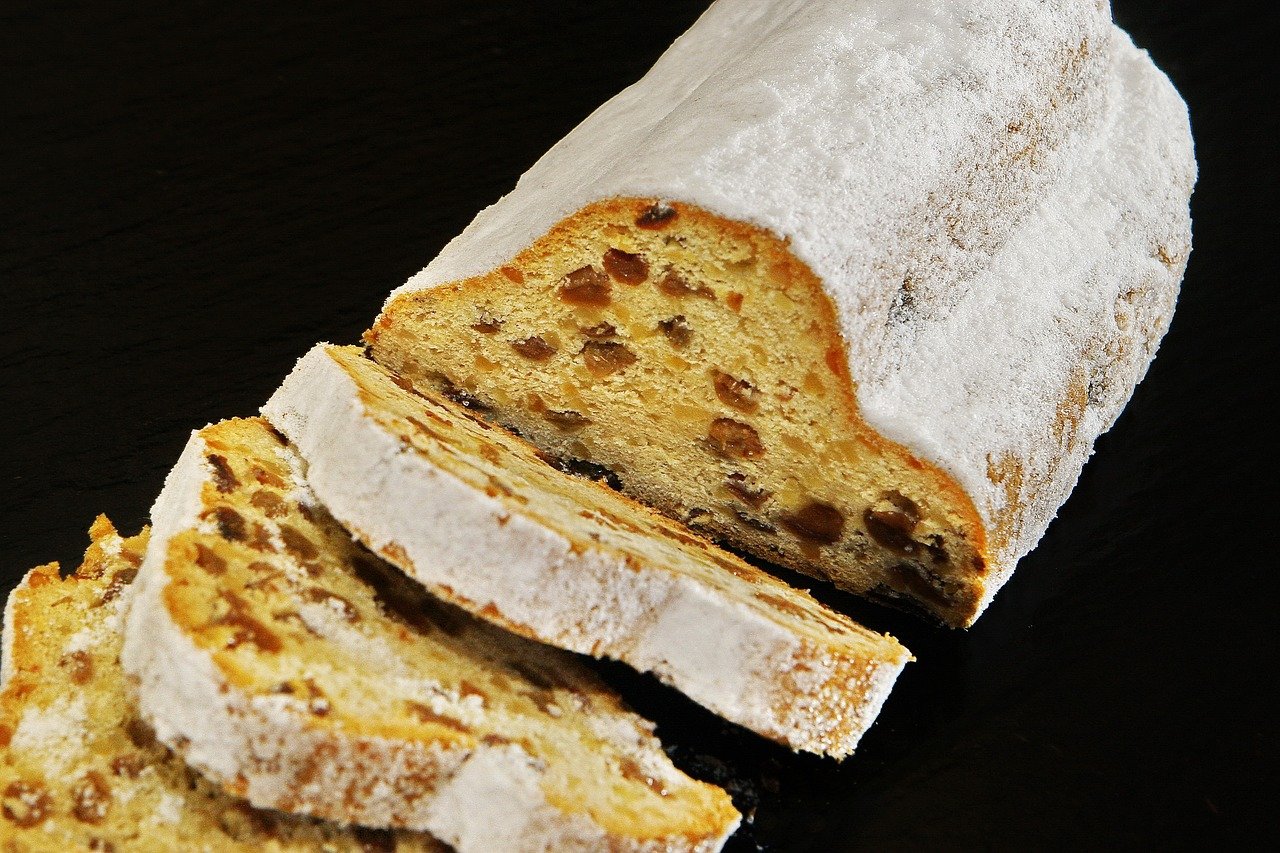
Image by Mogens Petersen from Pixabay.