Remembering Hiroshima and Nagasaki: Japan’s Peace Memorial Days
In this post we’ll learn about Japan’s Peace Memorial Days. Every year in early August, Japan solemnly observes the anniversaries of the atomic bombings of 広島 Hiroshima (August 6) and 長崎 Nagasaki (August 9). These are the only two cities in history to suffer nuclear attacks. These days are of course moments of national mourning and remembrance. But they are also powerful global reminders of the human cost of nuclear warfare and the importance of the ongoing pursuit of peace.

Origins and History of Japan’s Peace Memorial Days
On August 6, 1945, the United States dropped an atomic bomb on Hiroshima, a major military and industrial center. Three days later, a second bomb was dropped on Nagasaki. The immediate destruction was unprecedented. Tens of thousands were killed instantly, and many more died from injuries or radiation exposure in the following months and years. The bombings played a pivotal role in Japan’s surrender, effectively ending World War II.
In the aftermath, both cities became symbols of the horrors of nuclear warfare. Hiroshima established the 平和記念式典 Heiwa Kinen Shikiten (Peace Memorial Ceremony) in 1947, and Nagasaki followed with its own memorial the next year. These annual observances evolved into internationally recognized days of remembrance and reflection.
Modern Commemorations of Japan’s Peace Memorial Days
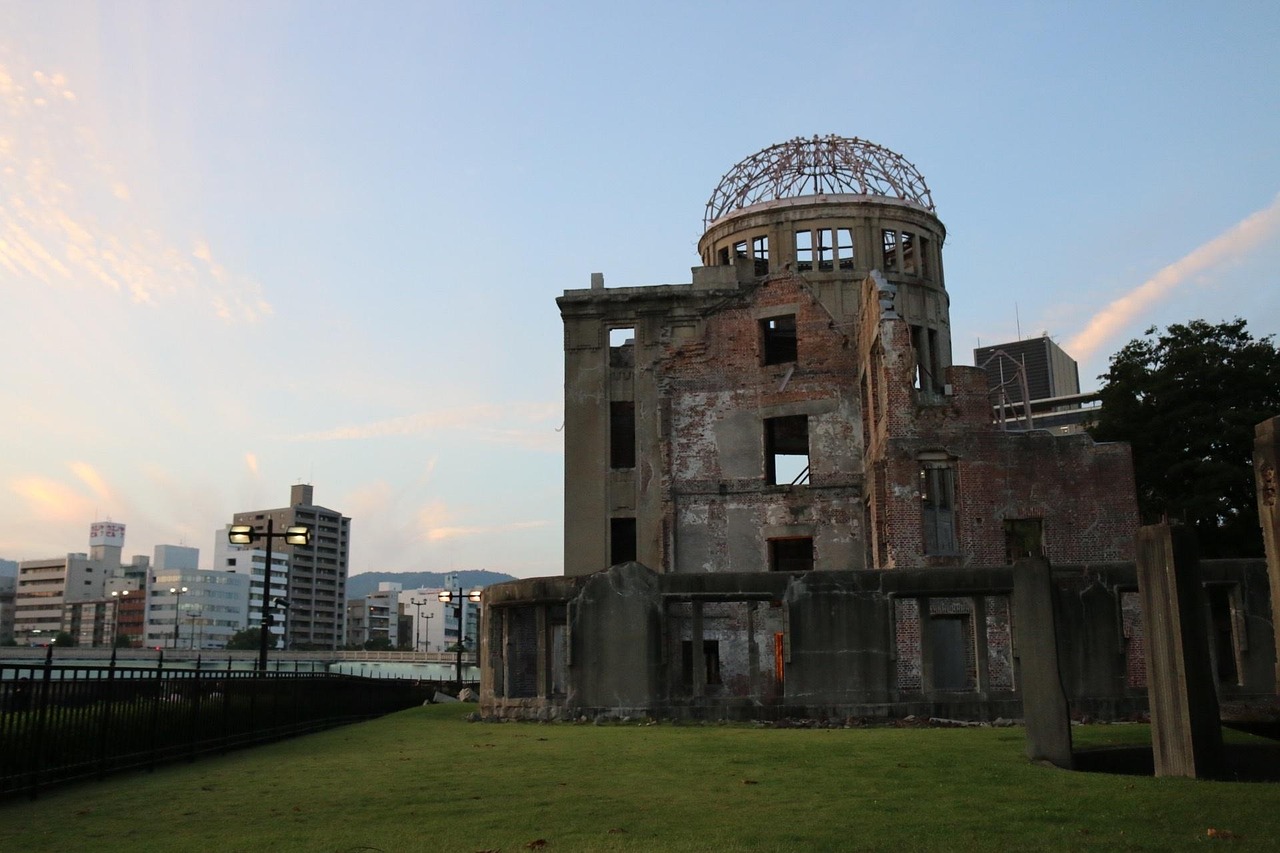
Today, people throughout Japan observe 広島平和記念日 Hiroshima Heiwa Kinenbi (Hiroshima Peace Memorial Day) on August 6 and 長崎平和記念日 Nagasaki Heiwa Kinenbi (Nagasaki Peace Memorial Day) on August 9. There are major ceremonies in each city. The 平和記念公園 Heiwa Kinen Kōen (Hiroshima Peace Memorial Park), including the 原爆ドーム Genbaku Dōmu (Atomic Bomb Dome) near the epicenter of the blast, hosts a solemn gathering. This includes a 黙祷 mokutō (moment of silence) at 8:15 a.m., the exact time the bomb detonated. Participants make offerings of water, which symbolizes relief for the victims who died crying out for it. There are also speeches by the Prime Minister, the Mayor of Hiroshima, and survivors, or 被爆者 hibakusha. These include a 平和宣言 Heiwa Sengen (proclamation of peace).
In Nagasaki, the 平和公園 Heiwa Kōen (Peace Park) holds a similar event at 11:02 a.m., the time of the bombing there. Messages of 平和 heiwa (peace), remembrance, and 核兵器の廃絶 kaku heiki no haizetsu (nuclear disarmament) are central in both cities. Bells ring, there is 灯籠流しtōrō nagashi (lantern floating) on rivers, and thousands attend, including international delegates.
Schools across Japan also use the week to educate students about the bombings and to promote peace. Many citizens take part in memorial activities, such as signing petitions for nuclear disarmament or attending local ceremonies.
Cultural and Global Significance of Japan’s Peace Memorial Days
In Japan, these memorial days carry deep emotional and cultural weight. They are not patriotic or militaristic events, but solemn reflections on tragedy, resilience, and the need to prevent such destruction from recurring. Survivors’ testimonies are central to the observances, keeping history alive as fewer hibakusha remain each year.
In the United States, people remember Hiroshima and Nagasaki with complexity. There is acknowledgement of both the end of a devastating war and of the terrible moral questions surrounding the bombings. Over time, public understanding has shifted to recognize the human suffering caused. Many American institutions now participate in peace events or education programs. And many Americans grapple with the acknowledgement that the US is the only country in history to use nuclear weapons in war.
Globally, Hiroshima and Nagasaki stand as lasting symbols in the movement against nuclear weapons. Peace activists, world leaders, and organizations like the United Nations often invoke the bombings as a call to action. The cities themselves have become international advocates for peace, hosting conferences and campaigns against nuclear proliferation.
Ultimately, Hiroshima and Nagasaki Memorial Days are not only about the past. They are urgent appeals to the present and future, and lessons on the moral complexities of acts committed during war. They challenge people everywhere to remember the cost of war and the devastation of the use of 核兵器 kaku heiki (nuclear weapons). The cities and the remembrance days remind all of us to work toward a world where such tragedies are never repeated.

Get on the road to speaking Japanese with the Language Garage!
We hope you’ve enjoyed learning about Japan’s Peace Memorial Days. If you’d like to learn more:
- Follow us on Facebook, LinkedIn, BlueSky, Twitter, Threads, Mastodon, Instagram, or Pinterest. We publish lots of Japanese vocabulary, grammar, and culture notes, so it’s a great way to pick up some new vocabulary and practice.
- Check out our other posts on Japanese language, culture, and more.
- Enroll in affordable, flexible, and personalized private online Japanese lessons or sign up for a small group online Japanese class.
- Create a free Language Garage account to access tons of Japanese vocabulary, grammar, and culture.
Image by Alice Cheung from Pixabay