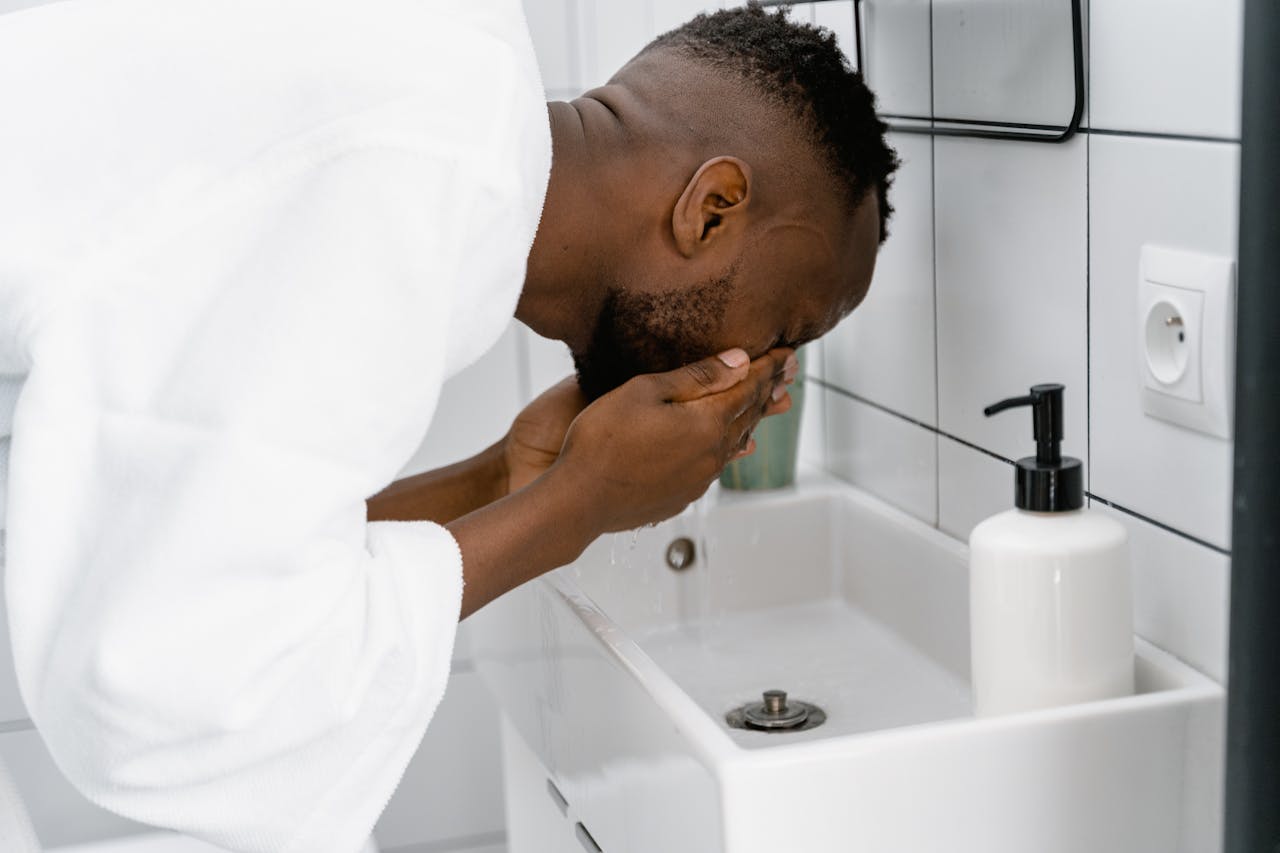
Russian Reflexive Verbs: Form, Meaning, and Usage
In this post we’ll learn about Russian reflexive verbs. Reflexive verbs are an important and very common feature of Russian grammar. This post will give you a solid introduction to their form, meaning, and usage. First, we’ll define what reflexive verbs are. Then we’ll cover how to form them, with full conjugations in both the present and past tenses. Next, we’ll cover the range of meanings that Russian reflexive verbs convey. After that we’ll cover several common examples that you can use as a student of Russian.
What Are Reflexive Verbs?
First, let’s clearly define what a reflexive verb is. A reflexive verb is a verb where the action refers back to the subject; that is, the subject and the direct object are the same. In English, reflexive meaning is often expressed with –self pronouns:
- I wash myself.
- She dressed herself.
- They introduced themselves.
Russian reflexive verbs convey this meaning with a special reflexive ending, -ся or -сь. These endings are added directly to the verb form, either conjugated or in the infinitive. (For a review on first conjugation verbs, check out this post. For second conjugation verbs, check out this post.) Some common examples of Russian reflexive verbs are:
- мыться (to wash oneself)
- одеваться (to get dressed)
- встречаться (to meet (each other))
- смеяться (to laugh)
- бояться (to be afraid)
Here are a few examples to get started.
- Я моюсь.
I wash myself. - Она одевается.
She is getting dressed. - Мы встречаемся каждый день.
We meet each other every day.
Notice that not every Russian reflexive verb corresponds to a –self verb in English, as in the case of смеяться (to laugh). Often, the “reflexiveness” is a grammatical or feature of a verb that doesn’t have any literal sense of reflexivity.
How Russian Reflexive Verbs Are Formed
Next, let’s turn to formation of reflexive verbs. Russian reflexive verbs end in -ся or -сь. These endings developed historically from the reflexive pronoun себя (oneself). The choice of reflexive ending depends on the last sound of the verb form:
- -ся after consonants
- -сь after vowels
Often, but not always, the non-reflexive and reflexive forms are a pair, and the difference in meaning is conveyed by the reflexive ending. For example:
- мыть (to wash) > мыться (to wash oneself)
- одевать (to dress someone) > одеваться (to get dressed)
- учить (to teach, to memorize) → учиться (to study)
- я мою (I wash [something]) > я моюсь (I wash myself)
- я одеваю (I dress [someone]) > я одеваюсь (I get dressed, I dress myself)
Notice that the reflexive ending comes after the normal verb ending.
- я мою (I wash) + сь > я моюсь (I wash myself)
- ты моешь (you wash) + ся > ты моешься (you wash yourself)
Conjugation of Russian Reflexive Verbs
Now let’s see some fully conjugated examples. Reflexive verbs conjugate exactly like normal verbs, but with -ся / -сь added at the end. Let’s see that at work with мыть (to wash [someone/something]) and its reflexive version мыться (to wash oneself).
| я мою (I wash [someone/thing]) | я моюсь (I wash myself) |
| ты моешь (you wash…) | ты моешься (you wash yourself) |
| он / она моет (he washes…, she washes…) | он / она моется (he washes himself, she washes herself) |
| мы моем (we wash…) | мы моемся (we wash ourselves) |
| вы моете (you (pl./formal) wash…) | вы моетесь (you wash yourselves) |
| они моют (they wash…) | они моются (they wash themselves) |
Now let’s see some example sentences, both reflexive and non-reflexive.
- Я мою посуду.
I wash the dishes. - Я моюсь утром.
I wash [myself] in the morning. - Она моет руки.
She washes her hands. - Она моется в душе.
She washes [herself] in the shower. - Мы моем пол.
We wash the floor. - Мы моемся после спорта.
We wash [ourselves] after sports.
The past tense follows normal past-tense rules.
- masculine мылся
- feminine мылась
- neuter мылось
- plural мылись
Let’s see that in some full sentences.
- Я мылся утром.
I washed this morning. (male speaker) - Я мылась утром.
I washed this morning. (female speaker) - Мы мылись после тренировки.
We washed after the workout.
Common Meanings of Russian Reflexive Verbs
Now let’s look at the range of meanings Russian reflexive verbs can carry. As you’ve seen, there are many “true reflexives” that carry the meaning of “oneself.” But this is not true of all reflexive verbs.
A. True Reflexive Actions (doing something to oneself)
First, many reflexive verbs are truly reflexive. These are closest to English reflexives with –self pronouns. (Although notice that the idea of reflexivity doesn’t always require an over –self pronoun in English.)
- мыться (to wash, to wash oneself, to wash up)
- одеваться (to dress, to dress oneself, to get dressed)
- бриться (to shave, to shave oneself)
- Он бреется каждое утро.
He shaves every morning. - Она одевается очень быстро.
She gets dressed very quickly.
B. Reciprocal Actions (each other/one another)
Now let’s look at a related kind of reflexive. Sometimes the reflexive means people doing something to each other or to one another. This is often called reciprocal.
- встречаться (to meet each other/one another)
- целоваться (to kiss each other)
- обниматься (to hug each other)
Logically, the reciprocal meaning always requires a plural subject.
- Мы встречаемся каждую неделю.
We meet each other/one another every week. - Они обнимаются.
They are hugging each other.
C. Spontaneous action
Next, we’ll turn to examples of spontaneous action. Reflexive verbs can describe something that happens by itself, without an agent. This can sometimes have a passive meaning. For example:
- открываться (to open [by itself])
- закрываться (to close [by itself])
- строиться (to be built)
- Дверь открывается.
The door opens. - Дом строится.
The house is being built.
D. Emotional or internal states
Next, we’ll turn to some common reflexive verbs that reflect internal feelings or emotions. Many Russian reflexive verbs fall into this category.
- бояться (to be afraid)
- надеяться (to hope)
- волноваться (to worry)
- Я боюсь собак.
I am afraid of dogs. - Она волнуется перед экзаменом.
She worries before the exam.
E. Grammatically reflexive
Finally, there are reflexive verbs that don’t seem reflexive in meaning at all. Many Russian reflexive verbs are simply grammatically or formally reflexive, and they don’t carry any obvious reflexive (self) meaning or any of the other types of meaning we’ve discussed.
- смеяться (to laugh)
- учиться (to study / learn)
- улыбаться (to smile)
- начинаться (to begin)
- Мы смеёмся.
We laugh. - Я учусь в университете.
I study at a university.
Common Russian Reflexive Verbs
To end, let’s see a wide range of examples of reflexive verbs. In this section, we’ll take a look at several common Russian reflexive verbs, with both present and past tense examples.
мыться (to wash oneself)
- Я моюсь каждое утро.
I wash every morning. - Дети мылись перед ужином.
The children washed before dinner.
одеваться (to get dressed)
- Она быстро одевается.
She gets dressed quickly. - Она одевалась перед зеркалом.
She got dressed in front of the mirror.
раздеваться (to get undressed)
- Он раздевается перед сном.
He gets undressed before bed. - Они раздевались в раздевалке.
They got undressed in the locker room.
бриться (to shave)
- Мой отец бреется каждое утро.
My father shaves every morning. - Он брился утром.
He shaved in the morning.
умываться (to wash one’s face)
- Я умываюсь холодной водой.
I wash my face with cold water. - Она умывалась холодной водой.
She washed her face with cold water.
учиться (to study, learn)
- Она учится в университете.
She studies at the university. - Я учился в Москве.
I studied in Moscow.
заниматься (to practice / engage in)
- Я занимаюсь спортом.
I do sports. - Мы занимались спортом вчера.
We played sports yesterday.
встречаться (to meet / date)
- Мы встречаемся каждую неделю.
We meet every week. - Мы встречались вчера вечером.
We met yesterday evening.
смеяться (to laugh)
- Дети смеются.
The children are laughing. - Они смеялись.
They laughed.
улыбаться (to smile)
- Она улыбается своему другу.
She smiles at her friend. - Они улыбались друг другу.
They smiled at each other.
бояться (to be afraid)
- Я боюсь змей.
I am afraid of snakes. - Он боялся собак.
He was afraid of dogs.
надеяться (to hope)
- Мы надеемся на лучшее.
We hope for the best. - Мы надеялись на лучшее.
We hoped for the best.
волноваться (to worry / be nervous)
- Она волнуется перед экзаменом.
She is nervous before the exam. - Они волновались перед экзаменом.
They were nervous before the exam.
интересоваться (to be interested in)
- Я интересуюсь историей.
I am interested in history. - Она интересовалась историей.
She was interested in history.
знакомиться (to get acquainted)
- Мы знакомимся с новыми коллегами.
We are getting acquainted with new colleagues. - Она знакомилась с новыми коллегами.
She was getting acquainted with new colleagues.
возвращаться (to return)
- Он возвращается домой вечером.
He returns home in the evening. - Мы возвращались домой поздно вечером.
We returned home late in the evening.
ложиться (to go to bed / lie down)
- Я ложусь спать в одиннадцать.
I go to bed at eleven. - Она ложилась спать рано.
She went to bed early.
просыпаться (to wake up)
- Я просыпаюсь рано.
I wake up early. - Она просыпалась очень рано.
She woke up very early.
садиться (to sit down)
- Пожалуйста, садитесь.
Please sit down. - Она садилась на стул.
She sat down on the chair.
вставать (to get up / stand up)
- Он встаёт очень рано.
He gets up very early. - Я вставала рано.
I got up early.
готовиться (to prepare)
- Мы готовимся к экзамену.
We are preparing for the exam. - Мы готовились к экзамену.
We prepared for the exam.
начинаться (to begin)
- Фильм начинается в восемь.
The movie begins at eight. - Фильм начинался поздно.
The movie began late.
заканчиваться (to end)
- Урок заканчивается в три часа.
The lesson ends at three. - Лекция заканчивалась в пять часов.
The lecture ended at five.
открываться (to open)
- Магазин открывается в девять.
The store opens at nine. - Окно открывалось медленно.
The window opened slowly.
закрываться (to close)
- Ресторан закрывается поздно.
The restaurant closes late. - Магазины закрывались рано.
The stores closed early.
становиться (to become)
- Он становится хорошим врачом.
He is becoming a good doctor. - Он становился всё более уверенным.
He was becoming more and more confident.
казаться (to seem)
- Этот фильм кажется интересным.
This movie seems interesting. - Она казалась очень спокойной.
She seemed very calm.
находиться (to be located)
- Банк находится рядом.
The bank is nearby. - Оно находилось на столе.
It was located on the table.
договариваться (to make arrangements / agree)
- Мы договариваемся о встрече.
We arrange a meeting. - Мы договаривались о встрече вчера.
We arranged a meeting yesterday.
встречаться (to meet, to date)
- Мы встречаемся каждую субботу.
We meet every Saturday. - Они встречаются уже два года.
They have been dating for two years.
нравиться (to be pleasing / to be liked)
- Мне нравится фильм.
I like the movie. (“The moving is pleasing to me.”) - Мне нравятся фильмы.
I like movies. (“Movies are pleasing to me.”)

Get on the road to speaking Russian with the Language Garage!
We hope you’ve enjoyed learning about Russian reflexive verbs. If you’d like to learn more:
- Follow us on Facebook, LinkedIn, BlueSky, Twitter, Threads, Mastodon, Instagram, or Pinterest. We publish lots of Russian vocabulary, grammar, and culture notes, so it’s a great way to pick up some new vocabulary and practice.
- Check out our other posts on Russian language, culture, and more.
- Enroll in affordable, flexible, and personalized private online Russian lessons or sign up for a small group online Russian class.
- Create a free Language Garage account to access tons of Russian vocabulary, grammar, and culture.
Photo by Tima Miroshnichenko on Pexels