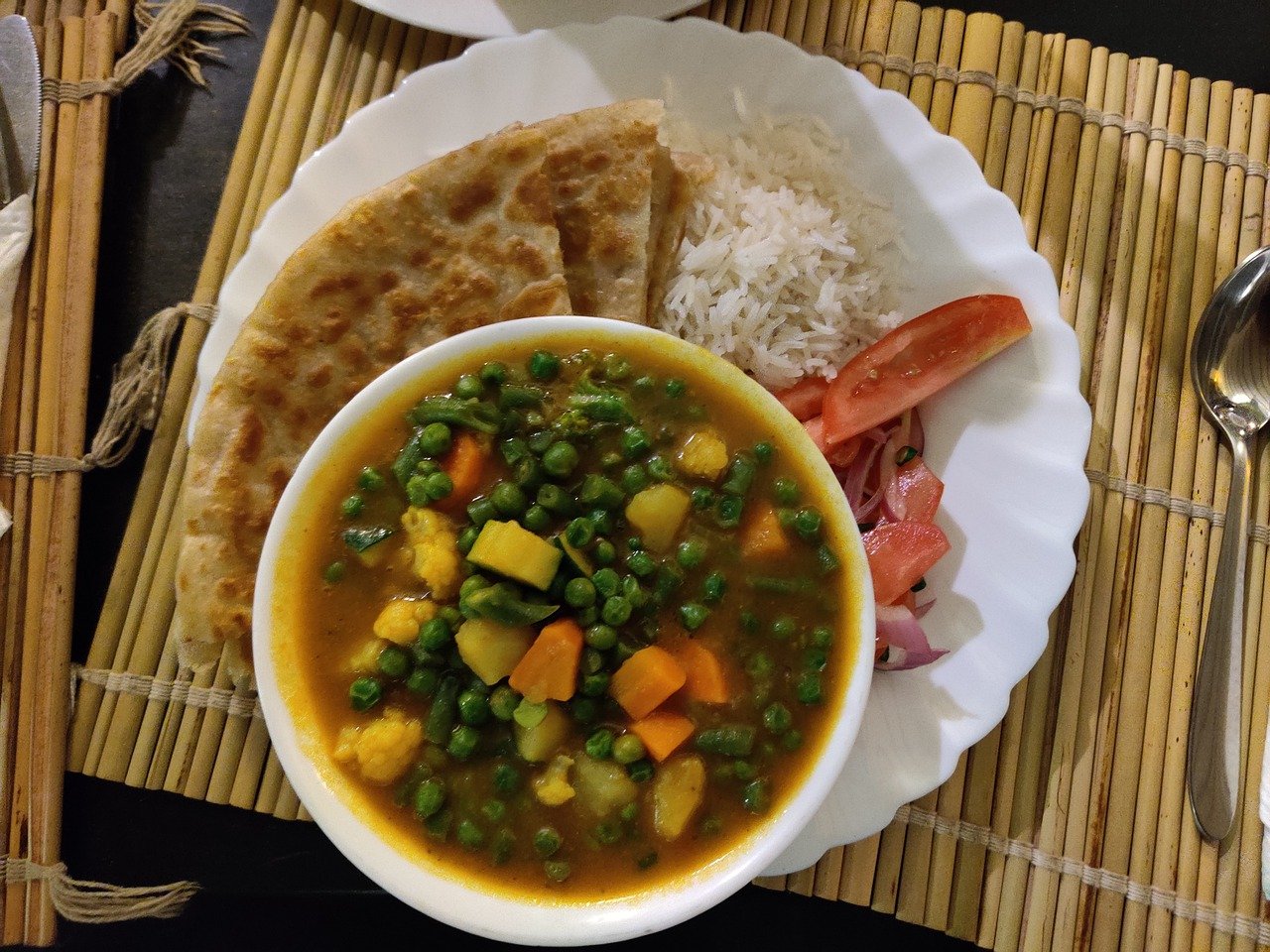
Ni kitamu! It’s delicious! Swahili Restaurant Vocabulary
In this post we’ll learn some Swahili restaurant vocabulary. First, we’ll look at vocabulary and expressions that you can use when you arrive at a restaurant. Then we’ll turn to vocabulary related to ordering food. Next we’ll turn to special diets in case you need that vocabulary. After that we’ll look at vocabulary related to spice levels, which may or may not come in handy depending on what sort of food you like to eat. Finally, we’ll close with expressions that you can use if someone asks how your food is, or if there’s any problem with your order.
Katika mkahawa. At a restaurant.
First, let’s look at some Swahili restaurant vocabulary that you can use when you arrive at a restaurant.
- Meza ya mmoja/wawili/watatu/wanne/watano, tafadhali.
A table for one/two/three/four/five, please. - Je, una nafasi?
Do you have a reservation? - Nina nafasi. Tuna nafasi.
I have a reservation. We have a reservation. - Sina nafasi. Hatuna nafasi.
I don’t have a reservation. We don’t have a reservation. - Je! Unayo menyu?
Do you have a menu? - Je! Unayo menyu kwa Kiingereza?
Do you have a menu in English? - Je unayo orodha ya mvinyo?
Do you have a wine list?
Ordering Food
Now let’s turn to some vocabulary and expressions related to ordering food. For Swahili vocabulary related to the food itself, check out this post.
- Uko tayari kuagiza?
Are you ready to order? - Niko tayari kuagiza. Tuko tayari kuagiza.
I’m ready to order. We’re ready to order. - Siko tayari kuagiza. Hatuko tayari kuagiza.
I’m not ready to order. We’re not ready to order. - Dakika chache zaidi, tafadhali.
A few more minutes, please. - Je, unapendekeza nini?
What do you recommend? - Je, ninaweza kupata kitambaa cha mkono/uma/kisu/kijiko/vijiti vya kulia?
Could I have a napkin/fork/knife/spoon/chopsticks? - Je, ninaweza kupata glasi ya maji?
Could I have a glass of water? - Angalia, tafadhali.
Check, please. - Nitalipia wapi?
Where do I pay?
Mimi ni wa mboga. I’m vegetarian.
Now let’s turn to special diets. If you’re on any kind of restricted diet, you may need to know these helpful expressions before you order.
- Niko kwenye lishe.
I’m on a diet. - Mimi ni wa mboga. Sili nyama au samaki.
I’m vegetarian. I don’t eat meat or fish. - Mimi ni wa mboga mboga. Sili bidhaa yoyote ya wanyama.
I’m vegan. I don’t eat any animal products. - Sili gluten.
I don’t eat gluten. - Nina mzio wa karanga.
I’m allergic to peanuts. - Nina mzio wa bidhaa za maziwa.
I’m allergic to dairy products. - Nina mzio wa karanga za miti.
I’m allergic to tree nuts. - Nina mzio wa samakigamba.
I’m allergic to shellfish. - Sinywi pombe.
I don’t drink alcohol. - Sinywi kafeini.
I don’t drink caffeine. - Hii chakula ni kosher?
Is this food kosher? - Hii chakula ni halali?
Is this food halal?
Bila viungo vingi! Not too spicy!
Depending on what kind of food you’re going to eat, spice may be something you need to talk about. People can tolerate different levels of heat in their food, so you may want to say:
- Ina viungo?
Is this spicy? - Napenda chakula cha viungo.
I like spicy food. - Sipendi chakula cha viungo.
I don’t like spicy food. - Chenye viungo vingi tafadhali.
Very spicy, please. - Mchuzi wa wastani, tafadhali.
Medium spicy, please. - Isiwe na viungo tafadhali
Not spicy, please. - Ina viungo vingi sana
It’s too spicy.
Chakula chako kiko vipi? How’s your food?
Finally, let’s wrap up our discussion of Swahili restaurant vocabulary with some expressions you can use to talk about your food. The The four basic tastes are chenye chumvi nyingi (salty), tamu (sweet), chungu (bitter), chachu (sour). But if someone asks how your food is, you’ll probably want know a bit more than that.
- Ni kitamu.
It’s delicious. - Ni nzuri.
It’s great. - Chakula hiki ni bora.
This food is excellent. - Ni moto sana.
It’s too hot. - Ni baridi sana.
It’s too cold. - Ni tamu sana.
It’s too sweet. - Ina chumvi nyingi.
It’s too salty. - Haina ladha.
It’s tasteless. - Imepikwa kupita kiasi.
It’s overcooked. - Haijaiva.
It’s undercooked. - Ni mafuta.
It’s oily/greasy.
Of course, you may prefer to stay in and cook. If so, check out this post. Either way, Furahia mlo wako! Enjoy your meal!

Get on the road to speaking Swahili with the Language Garage!
We hope you’ve enjoyed learning some Swahili restaurant vocabulary. If you’d like to learn more:
- Create a free Language Garage account to access tons of Swahili vocabulary, grammar, and culture.
- Follow us on Facebook, LinkedIn, BlueSky, Twitter, Threads, Mastodon, Instagram, or Pinterest. We publish lots of Swahili vocabulary, grammar, and culture notes, so it’s a great way to pick up some new vocabulary and practice.
- Check out our other posts on Swahili language, culture, and more.
- Enroll in affordable, flexible, and personalized private online Swahili lessons or sign up for a small group online Swahili class.
Image Credit: Umulay on Pixabay