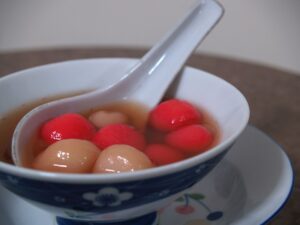
我今天很开心。 Wǒ jīntiān hěn kāixīn. I’m Happy Today. Feelings and Emotions in Chinese
In this post we’ll learn how to talk about feelings and emotions in Chinese. First, well learn how to ask how someone else is feeling. Next, we’ll learn how to talk about being happy and sad. Then we’ll turn to vocabulary and expressions that you can use to talk about having a good time, being excited, and being bored. After that we’ll turn to feelings, moods, and emotions related to stress, fear, anger, and regret. Finally, we’ll wrap up on a calm note and learn vocabulary you can use to talk about feeling relaxed.
你感觉怎么样? Nǐ gǎnjué zěnmeyàng? How do you feel?
First, let’s start with some questions you can ask to find out how people feel.
- 你现在感觉怎么样?
Nǐ xiànzài gǎnjué zěnmeyàng?
How are you feeling right now? - 你没事吧?
Nǐ méi shì ba?
Are you okay?

- – 一切都好吗?
Yíqiè dōu hǎo ma?
Is everything okay? - – 你心情好还是不好?
Nǐ xīnqíng hǎo háishi bù hǎo?
Are you in a good mood or a bad mood? - – 你玩儿得开心吗?
Nǐ wánr de kāixīn ma?
Are you having a good time? - – 怎么了?
Zěnme le?
What’s the matter? - – 你喜欢这道菜/这部电影/这个聚会吗?
Nǐ xǐhuan zhè dào cài / zhè bù diànyǐng / zhège jùhuì ma?
Do you like this dish / this film / this party?
我很开心。 Wǒ hěn kāixīn. I’m happy!
Now let’s turn to the basics. First the happy stuff.
- 我很开心。
Wǒ hěn kāixīn.
I am happy. - 好天气/好消息让我很开心。
Hǎo tiānqì / hǎo xiāoxi ràng wǒ hěn kāixīn.
The nice weather / good news makes me happy. - 这首歌/好消息让我很快乐。
Zhè shǒu gē / hǎo xiāoxi ràng wǒ hěn kuàilè.
This song / good news makes me happy. - 我今天心情特别好。
Wǒ jīntiān xīnqíng tèbié hǎo.
I’m in a really good mood today. - 灿烂的阳光让我心情很好。
Cànlàn de yángguāng ràng wǒ xīnqíng hěn hǎo.
I’m in a good mood because of the sunshine. - 好天气总是让我心情愉快。
Hǎo tiānqì zǒngshì ràng wǒ xīnqíng yúkuài.
Nice weather always puts me in a good mood. - 你为什么笑?
Nǐ wèishénme xiào?
Why are you smiling? - 我笑是因为我很开心。
Wǒ xiào shì yīnwèi wǒ hěn kāixīn.
I’m smiling because I’m happy. - 你为什么笑?
Nǐ wèishénme xiào?
Why are you laughing? - 我笑是因为这段视频很搞笑。
Wǒ xiào shì yīnwèi zhè duàn shìpín hěn gǎoxiào.
I’m laughing because this video is funny.
我很难过! Wǒ hěn nánguò! I’m sad!
Now let’s cover some basic unhappy things.
- 我很难过。
Wǒ hěn nánguò.
I am sad. - 我今天心情有点低落。
Wǒ jīntiān xīnqíng yǒudiǎn dīluò.
I’m feeling a bit down today. - 坏天气/坏消息让我很难过。
Huài tiānqì / huài xiāoxi ràng wǒ hěn nánguò.
The bad weather / bad news makes me sad. - 这首歌/下雨总是让我感到难过。
Zhè shǒu gē / xià yǔ zǒngshì ràng wǒ gǎndào nánguò.
This song / the rain always makes me sad. - 我今天心情不好。
Wǒ jīntiān xīnqíng bù hǎo.
I’m in a bad mood today. - 我心情不好,因为我累了。
Wǒ xīnqíng bù hǎo, yīnwèi wǒ lèi le.
I’m in a bad mood because I’m tired. - 堵车总是让我心情很糟糕。
Dǔchē zǒngshì ràng wǒ xīnqíng hěn zāogāo.
Traffic always puts me in a bad mood. - 你为什么哭?
Nǐ wèishénme kū?
Why are you crying? - 我哭是因为我很伤心。
Wǒ kū shì yīnwèi wǒ hěn shāngxīn.
I’m crying because I’m very sad. - 我现在有点心烦意乱。
Wǒ xiànzài yǒudiǎn xīnfán-yìluàn.
I’m a little upset now. - 我对我的女朋友/男朋友很生气。
Wǒ duì wǒ de nǚpéngyou / nánpéngyou hěn shēngqì.
I’m upset with my girlfriend / my boyfriend. - 我对这家餐馆/这部电影/我的朋友很失望。
Wǒ duì zhè jiā cānguǎn / zhè bù diànyǐng / wǒ de péngyou hěn shīwàng.
I’m disappointed by the restaurant / the film / my friends. - 我嫉妒你的新男朋友/女朋友。
Wǒ jídù nǐ de xīn nánpéngyou / nǚpéngyou.
I’m jealous of your new boyfriend / girlfriend.
我玩得很开心! Wǒ wán de hěn kāixīn! I’m having a great time!
If you’re doing something that you really enjoy, you could say:
- 我们在这里玩得很开心。
Wǒmen zài zhèlǐ wán de hěn kāixīn.
We’re having a great time here. - 我在聚会上玩得很开心。
Wǒ zài jùhuì shàng wán de hěn kāixīn.
I had a great time at the party. - 见到你真高兴!
Jiàndào nǐ zhēn gāoxìng!
It was wonderful to see you! - 我真的很喜欢和朋友们在一起。
Wǒ zhēn de hěn xǐhuan hé péngyoumen zài yìqǐ.
I really enjoy spending time with my friends. - 我们今天玩得很开心。
Wǒmen jīntiān wán de hěn kāixīn.
We enjoyed ourselves very much today. - 我玩得很开心。
Wǒ wán de hěn kāixīn.
I’m having a lot of fun. - 我总是和朋友们玩得很开心。
Wǒ zǒngshì hé péngyoumen wán de hěn kāixīn.
I always have fun with my friends. - 我们看比赛看得特别过瘾!
Wǒmen kàn bǐsài kàn de tèbié guòyǐn!
We all had a blast at the game!
想到我的旅行,我就很兴奋。 Xiǎngdào wǒ de lǚxíng, wǒ jiù hěn xīngfèn. I’m excited about my trip.
If you’re excited about something, you may want to say:
- 想到我的旅行/新工作,我就很兴奋。
Xiǎngdào wǒ de lǚxíng / xīn gōngzuò, wǒ jiù hěn xīngfèn.
I’m excited about my trip / my new job. - 我期待着周末/看这部电影。
Wǒ qīdài zhe zhōumò / kàn zhè bù diànyǐng.
I’m looking forward to the weekend / seeing this film. - 什么事情让你感到兴奋?
Shénme shìqing ràng nǐ gǎndào xīngfèn?
What are you excited about? - 你期待做什么?
Nǐ qīdài zuò shénme?
What are you looking forward to doing? - 我迫不及待地想见我的朋友。
Wǒ pòbùjídài de xiǎng jiàn wǒ de péngyou.
I can’t wait to see my friends. - 骑山地自行车很刺激。
Qí shāndì zìxíngchē hěn cìjī.
Riding a mountain bike is exciting. - 这里有很多令人兴奋的事情可以做。
Zhèlǐ yǒu hěn duō lìng rén xīngfèn de shìqing kěyǐ zuò.
There are lots of exciting things to do around here. - 我迫不及待地想读那本书。
Wǒ pòbùjídài de xiǎng dú nà běn shū.
I’m very eager to read that book. - 我对我的新工作充满热情。
Wǒ duì wǒ de xīn gōngzuò chōngmǎn rèqíng.
I’m very enthusiastic about my new job.
我很无聊。 Wǒ hěn wúliáo. I’m bored.
Of course, life isn’t only fun and excitement. You will probably experience plenty of times when you want to say:
- 我今天真的很无聊。
Wǒ jīntiān zhēn de hěn wúliáo.
I’m really bored today. - 这部电影很无聊!
Zhè bù diànyǐng hěn wúliáo!
This film is boring! - 我只想整天躺着看电视。
Wǒ zhǐ xiǎng zhěngtiān tǎng zhe kàn diànshì.
I just feel like lying around and watching TV all day. - 我什么都不想做。
Wǒ shénme dōu bù xiǎng zuò.
I don’t feel like doing anything. - 我厌倦了糟糕的天气。
Wǒ yànjuàn le zāogāo de tiānqì.
I’m tired of the bad weather. - 我厌倦了我的工作。工作很无聊。
Wǒ yànjuàn le wǒ de gōngzuò. Gōngzuò hěn wúliáo.
I’m tired of my job. It’s very dull. - 这音乐让我很恼火。
Zhè yīnyuè ràng wǒ hěn nǎohuǒ.
This music annoys me. - 你现在烦死我了!
Nǐ xiànzài fán sǐ wǒ le!
You’re annoying me right now! - 我受不了这首歌。
Wǒ shòubuliǎo zhè shǒu gē.
I can’t stand this song. - 这个声音/光线/气味让我心烦。
Zhège shēngyīn / guāngxiàn / qìwèi ràng wǒ xīnfán.
The sound / light / smell is getting on my nerves.
我有很多心事。 Wǒ yǒu hěn duō xīnshì. I have a lot on my mind.
Sometimes it’s hard for us to focus because we’re thinking of something else.
- 你好像心不在焉。
Nǐ hǎoxiàng xīn bù zài yān.
You seem distracted. - 你有什么心事吗?
Nǐ yǒu shénme xīnshì ma?
Is there something on your mind? - 我很忙。我忙得不可开交。
Wǒ hěn máng. Wǒ máng de bùkěkāijiāo.
I’m very busy. I feel overwhelmed. - 我担心我的先生/太太/朋友。
Wǒ dānxīn wǒ de xiānsheng / tàitai / péngyou.
I’m worried about my husband / my wife / my friend. - 我感到有点沮丧。
Wǒ gǎndào yǒudiǎn jǔsàng.
I feel a little depressed. - 我担心我的工作。
Wǒ dānxīn wǒ de gōngzuò.
I’m anxious about my job. - 我很紧张,因为我得去医院。
Wǒ hěn jǐnzhāng, yīnwèi wǒ děi qù yīyuàn.
I’m nervous because I have to go to the hospital. - 我担心我的母亲/父亲/儿子/女儿。
Wǒ dānxīn wǒ de mǔqīn / fùqīn / érzi / nǚ’ér.
I’m worried about my mother / my father / my son / my daughter. - 我无法专心工作。
Wǒ wúfǎ zhuānxīn gōngzuò.
I can’t focus on my work. - 我有点糊涂。我需要集中精力。
Wǒ yǒudiǎn hútu. Wǒ xūyào jízhōng jīnglì.
I’m confused. I need to concentrate. - 我在这里感到不自在。
Wǒ zài zhèlǐ gǎndào bù zìzài.
I’m uncomfortable here. - 这个地方/这次谈话让我感到不舒服。
Zhège dìfang / zhè cì tánhuà ràng wǒ gǎndào bù shūfu.
This place / conversation makes me uncomfortable.
我害怕! Wǒ hàipà! I’m afraid!
There are lots of ways to talk about things that you’re frightened of.
- 我怕黑/蜘蛛。
Wǒ pà hēi / zhīzhū.
I’m afraid of the dark / spiders. - 这部电影太恐怖了!
Zhè bù diànyǐng tài kǒngbù le!
This film is terrifying! - 我要做噩梦了。
Wǒ yào zuò èmèng le.
I’m going to have nightmares. - 你怕什么?
Nǐ pà shénme?
What are you afraid of? - 我恐高。
Wǒ kǒnggāo.
I’m afraid of heights. - 我看到蛇,吓了一跳。
Wǒ kàndào shé, xià le yí tiào.
I was startled when I saw the snake. - 我看到老鼠,尖叫了起来。
Wǒ kàndào lǎoshǔ, jiānjiào le qǐlái.
I screamed when I saw a mouse. - 我吓坏了!我需要冷静一下。
Wǒ xiàhuài le! Wǒ xūyào lěngjìng yíxià.
I’m freaking out! I need to calm down.
我很生气。 Wǒ hěn shēngqì. I’m very angry.
Some emotions are much stronger than other.
- 我现在很生气。
Wǒ xiànzài hěn shēngqì.
I’m very angry right now. - 你为什么生气?
Nǐ wèishénme shēngqì?
Why are you angry? - 你在生我的气吗?
Nǐ zài shēng wǒ de qì ma?
Are you angry at me? - 我对我的朋友/我的先生/我的太太/我的老板非常生气。
Wǒ duì wǒ de péngyou / wǒ de xiānsheng / wǒ de tàitai / wǒ de lǎobǎn fēicháng shēngqì.
I’m furious with my friend / my husband / my wife / my boss. - 那张照片/那本书/那部电影让我恶心。
Nà zhāng zhàopiàn / nà běn shū / nà bù diànyǐng ràng wǒ ěxin.
That photo / book / film disgusts me. - 那张照片/那本书/那部电影真恶心。
Nà zhāng zhàopiàn / nà běn shū / nà bù diànyǐng zhēn ěxin.
That photo / book / film is disgusting. - 这个故事让我感到震惊和恐惧。
Zhège gùshi ràng wǒ gǎndào zhènjīng hé kǒngjù.
The story horrified me. - 这个消息让我感到震惊和恐惧。
Zhège xiāoxi ràng wǒ gǎndào zhènjīng hé kǒngjù.
I was horrified by the news. - 我觉得受到了冒犯。
Wǒ juéde shòudào le màofàn.
I’m very offended. - 我的感情受到了伤害。
Wǒ de gǎnqíng shòudào le shānghài.
My feelings are hurt.
我后悔了。 Wǒ hòuhuǐ le. I regret it.
Sometimes we do or say things that make us feel unpleasant emotions.
- 我太尴尬了!
Wǒ tài gāngà le!
I’m so embarrassed! - 我觉得自己像个傻瓜。
Wǒ juéde zìjǐ xiàng ge shǎguā.
I feel like a fool. - 我觉得自己像个混蛋。
Wǒ juéde zìjǐ xiàng ge húndàn.
I feel like a jerk. - 我为自己的所作所为感到内疚。
Wǒ wèi zìjǐ de suǒzuò-suǒwéi gǎndào nèijiù.
I feel guilty for what I did. - 我很后悔这么说。
Wǒ hěn hòuhuǐ zhème shuō.
I regret saying that. - 我为冒犯了你而感到难过。
Wǒ wèi màofàn le nǐ ér gǎndào nánguò.
I feel terrible for offending you. - 我想为自己的所作所为道歉。
Wǒ xiǎng wèi zìjǐ de suǒzuò-suǒwéi dàoqiàn.
I want to apologize for what I did. - 对不起,我骗了你。
Duìbuqǐ, wǒ piàn le nǐ.
I’m sorry I lied to you. - 对不起,我伤害了你的感情。
Duìbuqǐ, wǒ shānghài le nǐ de gǎnqíng.
I’m sorry I hurt your feelings. - 你能原谅我吗?
Nǐ néng yuánliàng wǒ ma?
Can you forgive me?
我很放松。 Wǒ hěn fàngsōng. I’m relaxed.
Finally, let’s wrap up on a calm note. Hopefully there are plenty of times when you feel just right.
- 我觉得很平静。
Wǒ juéde hěn píngjìng.
I feel very calm. - 我非常放松。
Wǒ fēicháng fàngsōng.
I’m very relaxed. - 我对我的工作很满意。
Wǒ duì wǒ de gōngzuò hěn mǎnyì.
I’m very satisfied with my job. - 我为我的孩子/弟弟/妹妹感到骄傲。
Wǒ wèi wǒ de háizi / dìdi / mèimei gǎndào jiāo’ào.
I feel proud of my child / my younger brother / my younger sister. - 我真为你高兴!
Wǒ zhēn wèi nǐ gāoxìng!
I’m very happy for you! - 我一点都不担心。
Wǒ yì diǎn dōu bù dānxīn.
I’m not worried at all. - 我忘记了所有的烦恼。
Wǒ wàngjì le suǒyǒu de fánnǎo.
I have forgotten all of my troubles. - 我只要坐在这里,看看大海/天空/树木,就很满足了。
Wǒ zhǐyào zuò zài zhèlǐ, kànkan dàhǎi / tiānkōng / shùmù, jiù hěn mǎnzú le.
I’m content just sitting here and looking at the ocean / the sky / the trees. - 我现在很舒服。
Wǒ xiànzài hěn shūfu.
I’m very comfortable right now. - 我感到非常自在。
Wǒ gǎndào fēicháng zìzài.
I feel perfectly at ease.

Get on the road to speaking Chinese with the Language Garage!
We hope you’ve enjoyed learning how to talk about feelings and emotions in Chinese. If you’d like to learn more:
- Create a free Language Garage account to access tons of Chinese vocabulary, grammar, and culture.
- Follow us on Facebook, LinkedIn, BlueSky, Twitter, Threads, Mastodon, Instagram, or Pinterest. We publish lots of Chinese vocabulary, grammar, and culture notes, so it’s a great way to pick up some new vocabulary and practice.
- Check out our other posts on Chinese language, culture, and more.
- Enroll in affordable, flexible, and personalized private online Chinese lessons or sign up for a small group online Chinese class.