German Wine Festivals: Tradition, Celebration, and Cultural Significance
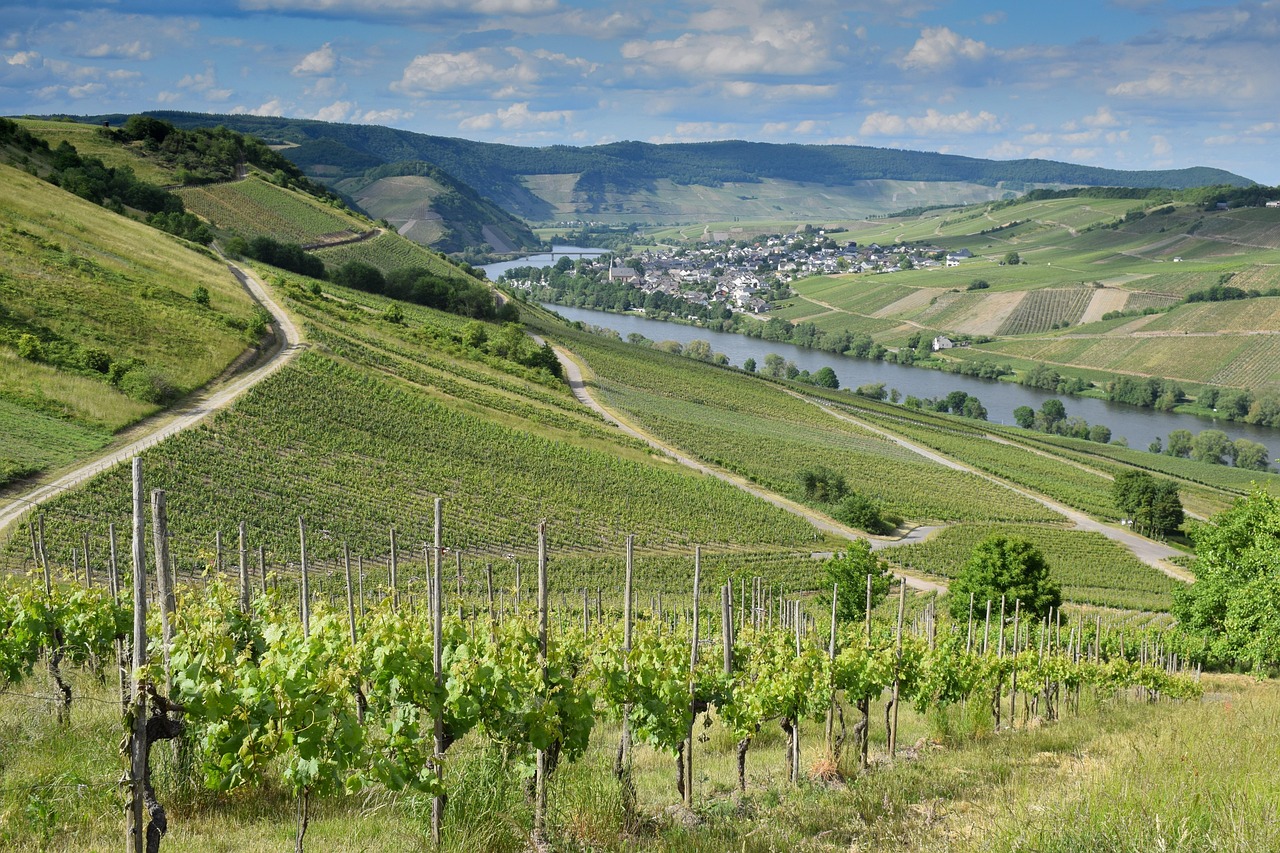
Wein (wine) has been part of the cultural fabric of German-speaking countries for over two millennia. Today, Weinfeste (wine festivals) are among the most beloved folk celebrations in Germany, Austria, and parts of Switzerland. These yearly events combine history and community with – of course! – good wine.
Origins and History of German Wine Festivals
The tradition of wine festivals traces back to the Roman Empire. When Roman soldiers settled along the Rhein (Rhine River) and Mosel (Moselle River), they planted vineyards and developed winemaking traditions that continue to this day. Harvest celebrations, or Weinlesefeste (wine harvest festivals), were originally religious in nature, thanking the gods for a bountiful crop. Over the centuries, these became community events marked by music, dancing, and local food.
By the Middle Ages, many towns in regions such as the Pfalz (Palatinate), Franken (Franconia), and Rheingau were hosting annual wine celebrations. These celebrations often had ties to church calendars and trade fairs. The traditions evolved into the modern Weinfeste that attract millions of visitors each year.
When German Wine Festivals Take Place
The festival season follows the rhythm of the vineyards. The Peak Season runs from August to October. Most wine festivals are held in late summer and autumn during the Weinlese (grape harvest). This is also when Federweißer (young, partially fermented wine) makes its brief appearance, available only for a few weeks.
The other major season is spring and early Summer (April–June). At this time, smaller Weinfrühlingsfeste (spring wine festivals) and Sommerweinfeste (summer wine festivals) celebrate the start of the wine year and showcase the first vintages.
Some major examples include:
- Rheingau Wine Festival (Wiesbaden): mid-August.
- Stuttgart Weindorf (Swabia): late August to early September.
- Mainzer Weinmarkt (Rheinhessen): late August into early September.
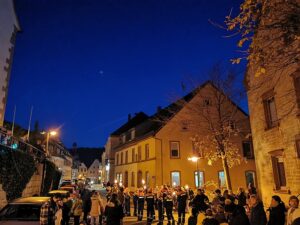
- Bernkasteler Weinfest der Mittelmosel (Mosel): early September, with lantern parade and fireworks.
- Deutsches Weinlesefest (Pfalz): late September to early October, featuring the election of the German Wine Queen.
- Vienna Wine Hiking Day (Austria): late September, when vineyards around the city open for walking and tasting.
How People Celebrate the German Wine Festivals
German wine festivals bring entire towns to life. Streets and squares become filled with Festzelte (festival tents) and Blasmusik (brass band music). There are also processions led by the Weinkönigin (wine queen), a symbolic ambassador of local vineyards.
Food is an essential companion to the wine. Visitors enjoy Flammkuchen (thin crispy flatbread with cream, onions, and bacon), Bratwurst (grilled sausage), and Käsewürfel (cheese cubes) with glasses of Riesling, Silvaner, or Spätburgunder (Pinot Noir). In autumn, tasting Federweißer paired with Zwiebelkuchen (onion tart) is a must.
Regional Variations of Note
Each wine region has its own flavor of wine and wine festival. Let’s look at some of the major ones.
Rheingau and Mosel
The Rheingau and Mosel valleys, famous for Riesling, host some of the most scenic festivals. Lantern parades, vineyard tours, and evening fireworks light up towns like Rüdesheim and Bernkastel-Kues in August and September.
Pfalz
Germany’s largest wine harvest festival is the Deutsches Weinlesefest in Neustadt an der Weinstraße. It takes place in late September–early October. It includes a grand parade and the crowning of the German Wine Queen.
Franken
The Franken region, known for its Bocksbeutel (round, flattened wine bottle), focuses on Silvaner wines. Würzburg and Volkach hold their biggest festivals from May through September.
Austria and Switzerland
In Austria, the Heurigenkultur (new wine tavern culture) is closely tied to September and October vineyard events, especially around Vienna. In Switzerland, the legendary Fête des Vignerons in Vevey takes place only once a generation, with the last held in 2019.
Modern Significance of German Wine Festivals
Today, wine festivals are more than just local celebrations. They play an important economic role, boosting tourism and sustaining small winemakers. Millions of visitors attend Weinfeste each year, providing vital business for towns across wine regions.
Culturally, they are a celebration of identity and community. They preserve Volkskultur (folk culture) while inviting visitors from around the world. For many locals, the Weinfest is the highlight of the year. It markes the end of the agricultural cycle and a time to gather with friends, neighbors, and strangers alike.
German wine festivals are living traditions that balance history, local pride, and joyful celebration. If you have a change to take part, you won’t regret it. You can stroll through the Rheingau in August. Pr you can sip Federweißer in the Pfalz in October. Or you can hike Vienna’s vineyards in late September. You’ll see that these festivals offer a deep connection to the land and its people. They remain a vibrant testament to the enduring bond between community and culture — with a good glass of wine always at the center.

Get on the road to speaking German with the Language Garage!
We hope you’ve enjoyed learning about German wine festivals. If you’d like to learn more:
- Follow us on Facebook, LinkedIn, BlueSky, Twitter, Threads, Mastodon, Instagram, or Pinterest. We publish lots of German vocabulary, grammar, and culture notes, so it’s a great way to pick up some new vocabulary and practice.
- Check out our other posts on German language, culture, and more.
- Enroll in affordable, flexible, and personalized private online German lessons or sign up for a small group online German class.
Image by Ben Kerckx from Pixabay



I am surprised to stumble upon this amazing website. I had no idea that such a helpful and educational website exists. Thanks for the articles.