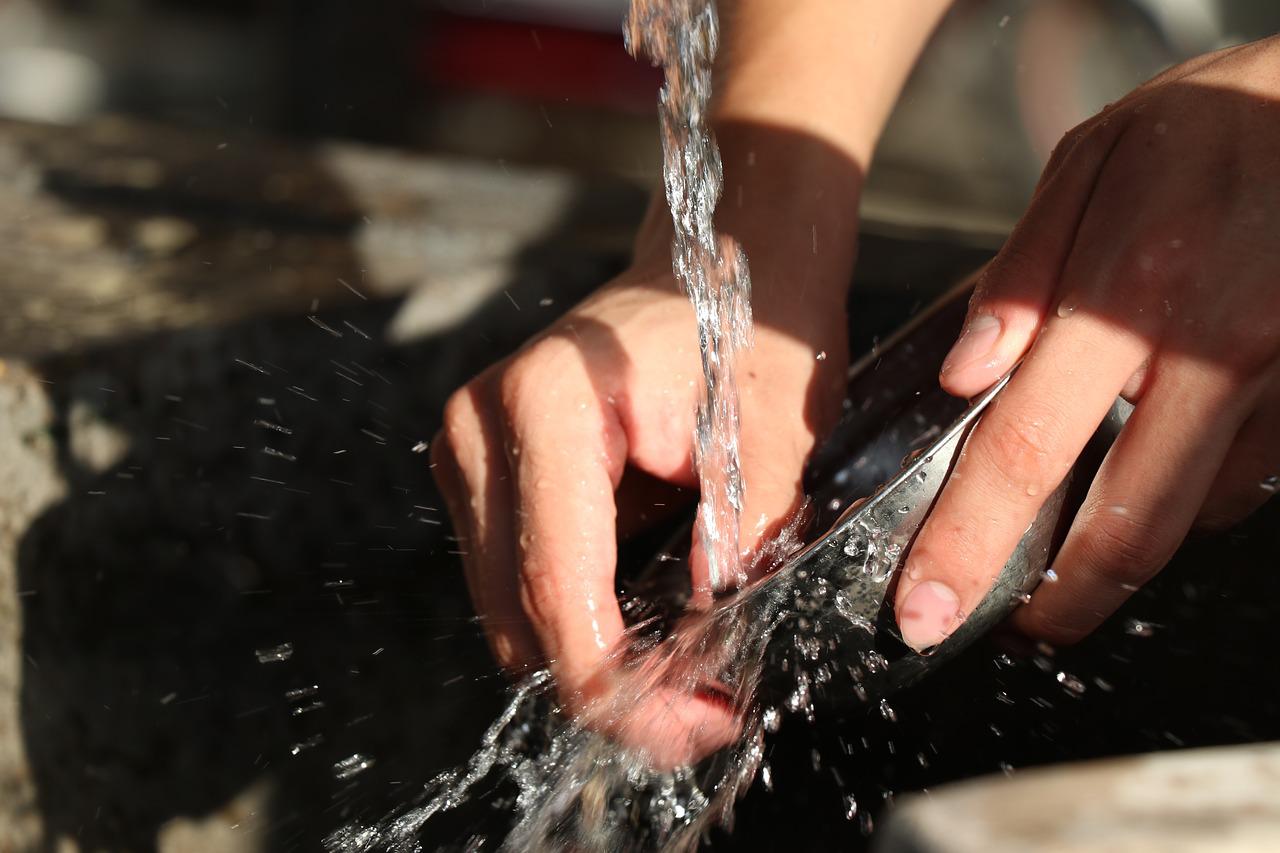
Cosa stai facendo? What are you doing? Italian Action Verbs
In this post we’ll learn several common Italian action verbs. First, we’ll start with verbs of movement like come and go. After that we’ll turn to verbs that you can use to talk about your daily routine. Next, we’ll move on to verbs for basic actions around the house. Then we’ll look at verbs for shopping, working, and physical activities. Finally, we’ll learn some verbs for feeling and thinking, followed by verbs of ability, necessity, and desire.
Dove stai andando? Where are you going?
Let’s start with a bunch of verbs to talking about coming and going: andare (a piedi, in macchina) to go (on foot, by car); camminare to walk; venire to come, uscire/ partire/ lasciare to leave; arrivare to arrive; uscire to go out; entrare to enter.
- Vado a lavorare in macchina. Vado a lavorare a piedi.
I go to work by car. I go to work on foot. - Passeggiamo al parco ogni domenica.
We walk in the park every Sunday.
- Chi viene alla festa questo fine settimana?
Who’s coming to the party this weekend? - Di solito esco dal lavoro tardi.
I usually leave work late. - Il treno arriva alle 10:00.
The train arrives at 10am. - Esco con i miei amici.
I go out with my friends. - Non vado mai al parco di notte.
I never go in the park at night.
A che ora ti svegli? What time do you wake up?
Now let’s see some verbs that you can use to talk about your daily routine: svegliarsi to wake up; fare la doccia to take a shower; fare un bagno to take a bath; vestirsi to get dressed; mettere una maglietta to put on a shirt; spogliarsi to get undressed; togliersi i pantaloni to take off pants; lavarsi i denti to brush your teeth; lavarsi le mani to wash your hands; fare colazione/ pranzare/ cenare to have breakfast/lunch/dinner; andare a letto to go to bed; dormire to sleep.
- Mi sveglio presto durante la settimana e mi sveglio tardi nel fine settimana.
I wake up early during the week, and l wake up late on the weekend. - Faccio sempre la doccia al mattino. Non faccio mai il bagno.
I always take a shower in the morning. I never take a bath. - Mi vesto in fretta.
I get dressed quickly. - Lei si mette un maglione quando fa freddo.
She puts on a sweater when it’s cold. - Mi spoglio prima di andare a letto.
I get undressed before bed. - Lui si toglie le scarpe in casa.
He takes off his shoes in the house. - Mi lavo i denti dopo aver mangiato.
I brush my teeth after I eat. - Mi lavo le mani prima di mangiare.
I wash my hands before I eat. - A che ora vai di solito a letto?
What time do you usually go to bed? - Quante ore dormi di solito?
How many hours do you usually sleep?
Lui parla molto. He talks a lot.
Here are several general verb =s of speaking that you can use in daily life. parlare to speak, to talk; direto say; capireto understand; imparareto learn; studiareto study; chiedereto ask; rispondereto answer;
- Quante lingue parli?
How many languages do you speak? - Parlo con i miei amici ogni giorno.
I talk with my friends every day. - Cosa sta dicendo? Non capisco.
What is she saying? I don’t understand. - I bambini imparano molto a scuola.
Children learn a lot in school. - Cosa studi all’università?
What do you study at university? - I bambini fanno molte domande.
Children ask a lot of questions. - L’insegnante risponde alle domande.
The teacher answers questions.
Italian Action Verbs for Around the House and Every Day
Now let’s look at a few Italian action verbs that you can use to talk about what you do around the house and during your day. dareto give; fare, produrre to make; prendereto take; aprireto open; chiudereto close; usareto use; raccogliereto pick up; mettereto put.
- Faccio un regalo alla mia amica per il suo compleanno.
I give my friend a present on her birthday. - I bambini fanno regali ai loro genitori.
The children make gifts for their parents. - La mattina prendi il treno o l’autobus?
Do you take the train or the bus in the morning? - Lei apre la porta.
She opens the door. - Lui chiude la porta.
He closes the door. - Usi una penna o una matita?
Do you use a pen or a pencil? - Prendo le mie valigie.
I pick up my bags. - Di solito metto le chiavi in un cassetto.
I usually put my keys in a drawer.
Cosa stai mangiando? What are you eating?
Now let’s look at some verbs that you can use to talk about typical situations at home involving food and cooking: mangiareto eat; bereto drink; cucinareto cook; pulireto clean; fare / lavare i piattito do the dishes; fare il bucatoto do the laundry; mettere via i piattito put away the dishes.
- Mangio molto riso.
I eat a lot of rice. - Bevi tè o caffè al mattino?
Do you drink tea or coffee in the morning? - Cucini molto bene!
You cook very well! - Pulisco il mio appartamento di sabato.
I clean my apartment on Saturdays. - Laviamo i piatti tutte le sere.
We do dishes every evening. - Lui fa il bucato la domenica.
He does laundry on Sundays. - Mettiamo via i piatti quando sono puliti.
We put the dishes away when they are clean.
Italian Action Verbs for Relaxing at Home
Let’s continue with some more basic verbs for the home: guardare la tvto watch TV; ascoltare musicato listen to music; leggereto read; rilassarsito relax; sdraiarsi, stendersito lie down; sedersito sit down; alzarsi to stand up.
- Guardi la TV tutte le sere?
Do you watch TV every evening? - Ascolto musica ogni giorno.
I listen to music every day. - Leggo ogni notte a letto.
I read every night in bed. - Ci rilassiamo ogni fine settimana.
We relax every weekend. - Mi sdraio al pomeriggio.
I lie down in the afternoon. - Ci sediamo in soggiorno.
We sit down in the living room. - Si alza e lascia la stanza.
He stands up and leaves the room.
Sto comprando cibo. I’m buying food.
Here are some common verbs related to shopping: comprare to buy; fare acquisti / fare la spesa to go shopping (general / groceries); cercare to look for; trovare to find; pagare to pay; costare to cost; provare to try on; spendere soldi to spend money; prelevare denaro da un bancomat to withdraw money from an ATM; risparmiare to save money.
- Compriamo il cibo al supermercato.
We buy food at the supermarket. - Andiamo a fare acquisti ogni fine settimana.
We go shopping every weekend. - Sto cercando un nuovo paio di scarpe.
I’m looking for a new pair of shoes. - Trova sempre qualcosa di interessante in questo negozio.
He always finds something interesting in this store. - Paghi in contanti o con la carta di credito?
Do you pay by cash or credit card? - Quanto costa?
How much does that cost? - Provo sempre i vestiti prima di comprarli.
I always try on clothes before I buy them. - Spende molti soldi in libri.
She spends a lot of money on books. - Prendo soldi al bancomat / allo sportello automatico.
I’m taking money out at the ATM. - Non risparmio mai soldi perché tutto è così costoso.
I never save money because everything is so expensive.
Dove lavori? Where do you work?
Now let’s look at some common verbs you can use at work: lavorare to work; iniziare to start; finire to end; scrivere to write; chiamare / telefonare to call (on phone); inviare una e-mail to send an email; ricevere una email to get an email; prendere una pausa to take a break; avere una riunione to have a meeting; discutere to discuss.
- Lavoro il lunedì, martedì, mercoledì, giovedì e venerdì. Non lavoro di sabato e di domenica.
I work on Mondays, Tuesdays, Wednesdays, Thursdays, and Fridays. I don’t work on Saturdays and Sundays. - La riunione inizia ogni lunedì alle 10:00 (alle dieci).
The meeting starts every Monday at 10am. - A che ora finisce la riunione?
What time does the meeting end? - Lui scrive molte relazioni.
He writes a lot of reports. - Chiamo i miei clienti al telefono.
I call my clients on the phone. - Invia molte email.
She sends a lot of emails. - Riceve molte email.
She receives a lot of emails. - Mi prendo (faccio) una pausa al pomeriggio e bevo un caffè.
I take a break in the afternoon and drink some coffee. - Abbiamo molte riunioni.
We have a lot of meetings. - Di cosa discutono nelle riunioni?
What do they discuss in the meetings?
Ci stiamo divertendo! We’re having a good time!
Now that we’ve gotten work out the way, let’s see some verbs that you can use for your free time: stare bene / godersela to have a good time/to enjoy yourself; ballareto dance; cantareto sing; sorridereto smile; ridereto laugh, allenarsito work out; nuotareto swim; correreto run.
- Sto sempre bene con i miei amici.
I always have a good time with my friends. - Andiamo in discoteca e balliamo ogni fine settimana.
We go to nightclubs and dance every weekend. - Lei canta davvero bene!
She sings really well! - Lui sorride sempre. Non è mai triste.
He always smiles. He’s never sad. - Ridono quando sono insieme.
They laugh when they’re together. - Mi alleno quattro o cinque giorni a settimana.
I work out four or five days a week. - Nuoti in piscina o in un lago?
Do you swim in a pool or in a lake? - I bambini corrono al parco giochi.
The children run in the playground.
Italian Action Verbs for Hobbies and Sports
Let’s continue in the theme of verbs for having fun with some Italian action verbs for hobbies, sports, and physical activities.praticare uno sportto play (a sport); suonare uno strumento musicaleto play (a musical instrument); saltareto jump; scalareto climb; gattonareto crawl; andare in bicito bike; guidareto drive; gettareto throw; catturareto catch.
- Giochiamo a baseball/a pallacanestro/a calcio.
We play baseball/basketball/soccer. - Suono il pianoforte/la tromba/il violino.
I play piano/trumpet/violin. - I ragazzi saltano sul letto.
The boys jump on the bed. - Le ragazze si arrampicano sugli alberi.
The girls climb trees. - Il bambino gattona sul pavimento.
The baby crawls on the floor. - Andiamo in bicicletta ogni fine settimana al parco.
We bike every weekend in the park. - Guido per andare al lavoro tutti i giorni.
I drive to work every day. - Il ragazzo lancia la palla.
The boy throws the ball. - La ragazza prende la palla.
The girl catches the ball.
Sento odore di qualcosa. I smell something.
Here are a few verbs related to the senses: annusare / sentire un odore to smell; sentire to hear; ascoltare to hear, to listen to; vedere to see; assaggiare to taste; toccare to touch; sentire to feel; sembrare/apparire to seem/appear; pensare to think; credere to believe; sapere to know; conoscere una persona to know a person.
- Sentiamo odore di pane fresco.
We smell fresh bread. - Questo fiore ha un profumo davvero delizioso!
This flower smells really nice! - Il bambino tocca tutto ciò che vede.
The child touches everything he sees. - Senti gli uccelli?
Do you hear the birds? - Vedi la donna laggiù?
Do you see the woman over there? - Assaggio sempre il cibo mentre cucino.
I always taste food while I cook. - Questa zuppa ha un buon sapore.
This soup tastes good. - Come ti senti oggi?
How do you feel today? - Lei sembra infelice per qualcosa.
She seems unhappy about something. - A cosa stai pensando?
What are you thinking about? - Credi alla sua spiegazione?
Do you believe his explanation? - Cos’è quello? Non lo so.
What is that? I don’t know. - Conosco sua sorella.
I know his sister.
Non riesco a sentirti! I can’t hear you!
Now let’s look at a few modals and types of verbs that you can combine with other verbs: potere fare / riuscire a fare can do / manage, be able to; sapere come fare know how to do; dovere fare must do/have to do; volere fare want to do; avere bisogno di fare need to do; iniziare a fare start doing; smettere di fare stop doing; continuare a fare continue/keep doing.
- Riesci a vedere la televisione?
Can you see the television? - Sai suonare la chitarra?
Do you know how to play guitar? - Devo lavorare domani.
I have to work tomorrow. - Cosa vuoi fare stasera?
What do you want to do tonight? - Devo studiare. Ho un esame domani.
I need to study. I have a test tomorrow. - Iniziamo a lavorare la mattina presto.
We start working early in the morning. - Smetto di leggere a mezzanotte e vado a letto.
I stop reading at midnight and go to bed. - Continuano a parlare durante il film.
They keep talking during the movie.
Get on the road to speaking Italian with the Language Garage!
We hope you’ve enjoyed learning some Italian action verbs. If you’d like to learn more:
- Learn basic Italian with our self-study online Italian course.
- Follow us on Facebook, LinkedIn, BlueSky, Twitter, Threads, Mastodon, Instagram, or Pinterest. We publish lots of Italian vocabulary, grammar, and culture notes, so it’s a great way to pick up some new vocabulary and practice.
- Check out our other posts on Italian language, culture, and more.
- Enroll in affordable, flexible, and personalized private online Italian lessons or sign up for a small group online Italian class.
- Create a free Language Garage account to access tons of Italian vocabulary, grammar, and culture.
Image: Rewrite27 on Pixabay