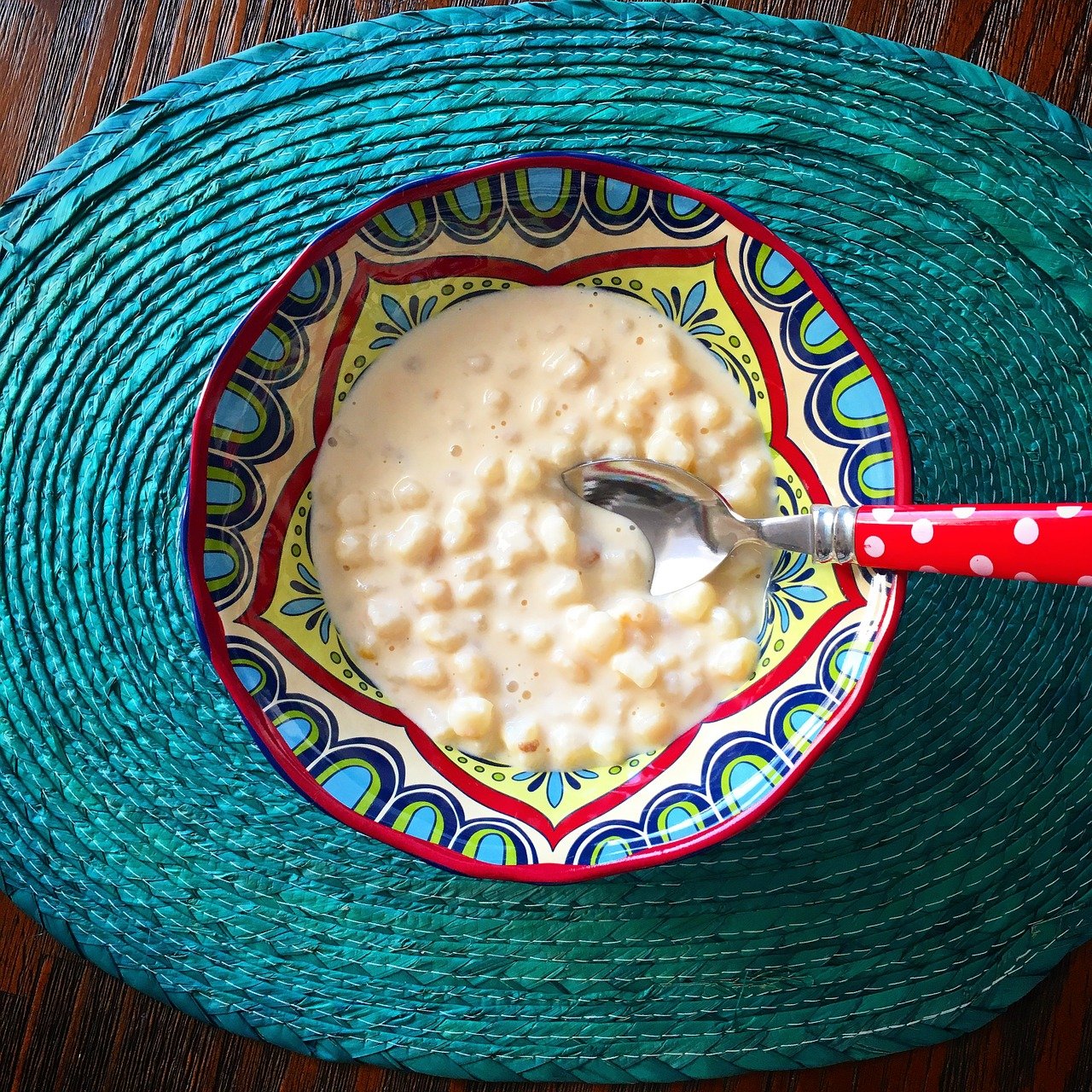
Está delicioso! It’s delicious! Portuguese Restaurant Vocabulary
In this post we’ll learn some Portuguese restaurant vocabulary. First, we’ll look at vocabulary and expressions that you can use when you arrive at a restaurant. Then we’ll turn to vocabulary related to ordering food. Next we’ll turn to special diets in case you need that vocabulary. After that we’ll look at vocabulary related to spice levels, which may or may not come in handy depending on what sort of food you like to eat. Finally, we’ll close with expressions that you can use if someone asks how your food is, or if there’s any problem with your order.
Em um restaurante At a restaurant
First, let’s look at some Portuguese restaurant vocabulary that you can use when you arrive at a restaurant.
- Uma mesa para um/dois/ três/quatro/cinco, por favor.
A table for one/two/three/four/five, please. - O senhor/ A senhora / você tem uma reserva?
Do you have a reservation? - (Eu) Tenho uma reserva. (Nós) Temos uma reserva.
I have a reservation. We have a reservation. - Não tenho uma reserva. Não temos uma reserva.
I don’t have a reservation. We don’t have a reservation. - (Eu) Posso ver o cardápio?
Do you have a menu? - Posso ver o cardápio em inglês?
Do you have a menu in English? - Posso ver a carta de vinhos?
Do you have a wine list?
Ordering Food
Now let’s turn to some vocabulary and expressions related to ordering food. For Portuguese vocabulary related to the food itself, check out this post.
- Está pronto/a/os/as para pedir?
Are you ready to order? - Estou pronto/a para pedir. Estamos prontos/as para pedir.
I’m ready to order. We’re ready to order. - Não estou pronto/a para pedir. Não estamos prontos/as para pedir.
I’m not ready to order. We’re not ready to order. - Mais alguns minutos, por favor.
A few more minutes, please. - O que o senhor/ a senhora / você recomenda?
What do you recommend? - Poderia me dar um guardanapo / um garfo / uma faca/ uma colher / uns pauzinhos?
Could I have a napkin/fork/knife/spoon/chopsticks? - Poderia me dar um copo de água?
Could I have a glass of water? - A conta, por favor.
Check, please. - Onde posso pagar?
Where do I pay?
Sou vegetariano /a. I’m vegetarian.
Now let’s turn to special diets. If you’re on any kind of restricted diet, you may need to know these helpful expressions before you order. If you’re on any kind of restricted diet, you may need to know these helpful expressions before you order.
- Estou de dieta/ regime.
I’m on a diet. - Sou vegetariano/a. Não como carne nem peixe.
I’m vegetarian. I don’t eat meat or fish. - Sou vegano/a. Não como nenhum produto animal.
I’m vegan. I don’t eat any animal products. - Não como glúten.
I don’t eat gluten. - Sou alérgico/a a amendoim.
I’m allergic to peanuts. - Sou alérgico/a a produtos lácteos.
I’m allergic to dairy products. - Sou alérgico/a a nozes.
I’m allergic to tree nuts. - Sou alérgico/a a frutos do mar.
I’m allergic to shellfish. - (Eu) Não tomo bebidas alcoólicas.
I don’t drink alcohol. - Não tomo cafeína.
I don’t drink caffeine. - Esta comida / alimentação é Kosher?
Is this food kosher? - Esta comida / alimentação é Halal?
Is this food halal?
Apimentado/a demais não! Not too spicy!
Depending on what kind of food you’re going to eat, spice may be something you need to talk about. People can tolerate different levels of heat in their food, so you may want to say:
- Isto é / está apimentado?
Is this spicy? - (Eu) Gosto de comida apimentada.
I like spicy food. - (Eu) Não gosto de comida apimentada.
I don’t like spicy food. - Bem apimentado/a, por favor.
Very spicy, please. - Apimentado/a médio, por favor.
Medium spicy, please. - Não apimentado/a, por favor.
Not spicy, please. - Está apimentado/a demais.
It’s too spicy.
Como está a sua comida? How’s your food?
Finally, let’s wrap up our discussion of Portuguese restaurant vocabulary with some expressions you can use to talk about your food. The four basic tastes are salgado/a (salty), doce (sweet), amargo/a (bitter), azedo/a (sour). But if someone asks how your food is, you’ll probably want know a bit more than that.
- Está delicioso/a.
It’s delicious. - Está ótimo/a.
It’s great. - Está comida é/ está excelente.
This food is excellent. - Está quente demais.
It’s too hot. - Está frio/a demais.
It’s too cold. - Está doce demais.
It’s too sweet. - Está salgado/a demais.
It’s too salty. - Está sem gosto / sem graça.
It’s tasteless/bland. - Está cozido/a demais.
It’s overcooked. - Não está suficientemente cozido/a.
It’s undercooked. - Está oleoso/a / gorduroso/a.
It’s oily/greasy.
Of course, you may prefer to stay in and cook. If so, check out this post. Either way, Bom apetite! Enjoy your meal!
Get on the road to speaking Portuguese with the Language Garage!
We hope you’ve enjoyed learning some Portuguese restaurant vocabulary. If you’d like to learn more:
- Create a free Language Garage account to access tons of Portuguese vocabulary, grammar, and culture.
- Follow us on Facebook, LinkedIn, BlueSky, Twitter, Threads, Mastodon, Instagram, or Pinterest. We publish lots of Portuguese vocabulary, grammar, and culture notes, so it’s a great way to pick up some new vocabulary and practice.
- Check out our other posts on Portuguese language, culture, and more.
- Enroll in affordable, flexible, and personalized private online Portuguese lessons or sign up for a small group online Portuguese class.
Image by Ju Fioroto from Pixabay: Canjica, also known as mugunzá, is a Brazilian sweet porridge made with corn, milk, sugar, and cinnamon.