Magari na Kuendesha: Swahili Vocabulary for Cars and Driving
In this post we’ll look at some Swahili vocabulary for cars and driving. First, we’ll start with some general vocabulary related to cars and driving. After that, we’ll turn to Swahili vocabulary related to parts of a car. Next, we’ll learn some vocabulary that you can use to talk about things you do when you drive. Then we’ll learn some vocabulary for things that you’ll see on the road. Next, we’ll move on to vocabulary you can use to talk about flat tires and other problems you may encounter when you drive. Finally, we’ll wrap things up with some vocabulary related to taxis and renting cars.
Gari langu: My car
Let’s start with some basic vocabulary: gari (car), kuendesha gari (to drive), mafuta (gas/petrol), kujaza mafuta (to get gas), kujaza tanki la mafuta (to fill the gas tank), mkanda wa usalama (seatbelt), gereji (garage), kuwasha gari (to start the car), kuegesha gari (to park the car), eneo la maegesho (parking lot), nafasi ya maegesho (parking space), kuzima injini (to turn off the engine).
- Una gari?
Do you have a car? - Nilinunua gari jipya.
I bought a new car. - Ninaendesha gari sana kila wiki.
I drive a lot every week. - Funga mkanda wako wa usalama.
Put on your seatbelt. - Nahitaji kujaza mafuta.
I need to get gas. - Jaza tanki, tafadhali.
Fill the tank, please. - Unaegesha gari gerejini au barabarani?
Do you park in a garage or on the street? - Siwezi kupata nafasi ya maegesho.
I can’t find a parking space.

Fungua kufuli la mlango wa gari! Unlock the car door!
Now let’s look at some vocabulary for parts of a car: mlango wa gari (car door), kioo cha mbele (windshield), vifuta kioo cha mbele (windshield wipers), kupandisha/kushusha dirisha (to put up/down the window), buti (trunk/boot), boneti (hood/bonnet), usukani (steering wheel), kiti cha mbele (front seat), kiti cha nyuma (back seat), taa za mbele (headlights), breki (brakes), injini (engine), taa za kuashiria kugeuka (blinkers, turn signals), taa za breki (brake lights), kubadilisha mafuta ya injini (to change the oil), fundi wa magari (mechanic).
- Masanduku ya safari yako kwenye buti.
The suitcases are in the trunk. - Watoto wamekaa kwenye kiti cha nyuma.
The kids are sitting in the back seat. - Kuna baridi! Pandisha madirisha na uwashe mfumo wa kupasha joto.
It’s cold! Put up the windows and turn on the heat. - Kuna joto! Fungua madirisha au washa kiyoyozi.
It’s hot! Open the windows or put the air conditioning on. - Mvua inanyesha. Ninahitaji kuwasha vifuta kioo cha mbele.
It’s raining. I need to turn on the windshield wipers. - Kuna giza. Ninahitaji kuwasha taa za mbele.
It’s dark. I need to turn on the headlights. - Injini iko chini ya boneti.
The engine is under the hood. - Gari langu linahitaji breki mpya.
My car needs new brakes. - Washa indiketa, kisha ugeuke kwenye barabara inayofuata.
Put on your blinker (turn signal) and turn at the next street. - Nahitaji kubadilisha mafuta ya injini ya gari langu.
I need to change the oil in my car. - Kuna tatizo kwenye gari langu. Ninahitaji fundi wa magari.
Something is wrong with my car. I need a mechanic.
Geuka kulia kwenye taa za kuongozea magari. Turn right at the traffic light.
Now let’s see some vocabulary that describes what we do when we drive: kuendesha gari moja kwa moja (to drive straight), kugeuka kushoto/kulia (to turn left/right), kurudisha gari nyuma (to reverse), kubadilisha gia (to change gears), taa za kuongozea magari (traffic lights), alama ya SIMAMA (stop sign), kikomo cha kasi (speed limit), kupiga honi (to honk the horn).
- Unaendesha gari kwa kasi sana. Punguza mwendo!
You’re driving too fast. Slow down! - Unaendesha gari polepole sana. Ongeza mwendo!
You’re driving too slowly. Speed up! - Kikomo cha kasi ni kipi?
What is the speed limit? - Geuka kushoto kwenye taa zinazofuata za kuongozea magari.
Turn left at the next traffic light. - Kuna alama ya SIMAMA! Simama!
There’s a stop sign! Stop! - Kwa nini anapiga honi?
Why is he honking his horn? - Alirudisha gari nyuma kutoka kwenye nafasi ya maegesho, kisha akaondoka.
She reversed out of the parking spot and drove away.
Barabarani: On the road
Now let’s look at some things you’re likely to see when you’re on the road: barabara (road/street), barabara kuu (highway/main road), njia ya kutokea kwenye barabara kuu (highway exit), kuingia kwenye barabara kuu (to get on the highway), kibanda cha kulipia ushuru wa barabara (toll booth), daraja (bridge), alama ya barabarani (road sign), mzunguko wa barabara (traffic circle/roundabout), lori (truck), kulipita gari (to pass a car), njia ya magari (lane), kituo cha mafuta (gas station), msongamano wa magari (traffic jam), kutumia saa moja/saa mbili kuendesha gari hadi X (to take one hour/two hours to drive to X).
- Ninawezaje kufika kwenye barabara kuu?
How do I get to the highway? - Toka kwenye barabara kuu kupitia njia inayofuata ya kutokea.
Get off the highway at the next exit. - Kuna kibanda cha kulipia ushuru wa barabara baada ya daraja.
There’s a toll booth after the bridge. - Imeandikwa nini kwenye alama hiyo?
What does it say on that sign? - Kituo cha mafuta kilicho karibu zaidi kiko wapi?
Where is the nearest gas station? - Gari hili linaenda polepole sana. Hebu tulipite.
This car is driving very slowly. Let’s pass it. - Usibadilishe njia bado; kuna lori nyuma yako.
Don’t change lanes yet; there’s a truck behind you. - Kuna msongamano mkubwa wa magari wakati huu wa siku.
Traffic is really bad this time of day. - Tumekwama kwenye msongamano wa magari.
We’re stuck in a traffic jam. - Inachukua muda gani kuendesha gari hadi uwanja wa ndege?
How long does it take to drive to the airport?
Tairi langu limepasuka. I have a flat tire.
Sometimes things don’t always go perfectly well when we drive: kugeuka kwenye barabara isiyo sahihi (to make a wrong turn), kupotea (to be lost), tairi lililopasuka (a flat tire), kuishiwa mafuta (to run out of gas), kupata ajali (to have an accident), kukanyaga breki kwa nguvu (to slam on the brakes), kugeuza gari ghafla (to swerve), kuteleza (to slide/skid), betri iliyoisha chaji (a dead battery), kugonga mti/gari lingine (to hit a tree/another car), kupata faini ya trafiki (to get a traffic ticket).
- Niligeuka kwenye barabara isiyo sahihi. Tumepotea.
I made a wrong turn. We’re lost. - Tairi letu limepasuka.
We have a flat tire. - Tulipata ajali ndogo.
We had a minor accident. - Dereva aliyekuwa mbele yangu alikanyaga breki kwa nguvu.
The driver ahead of me slammed on his/her brakes. - Mbwa alikimbilia barabarani, nami nikageuza gari ghafla ili kumkwepa.
A dog ran into the road, and I swerved to avoid it. - Barabara ina barafu, kwa hiyo gari linateleza.
The road is icy, so the car is sliding. - Gari liliteleza hadi likasimama.
We skidded to a stop. - Gari haliwaki. Betri imeisha chaji.
The car won’t start. The battery is dead. - Niligonga mti/gari lingine.
I hit a tree/another car. - Nilikuwa nikiendesha gari kwa kasi kupita kiasi, nikapewa faini.
I was speeding and got a ticket.
Teksi! Taxi!
Here are some vocabulary items and expressions that you can use for public transportation: teksi (taxi), basi (bus), nauli (fare), stendi ya teksi (taxi stand), kituo cha basi (bus stop), kupanda basi (to get on the bus), kushuka kwenye basi (to get off the bus).
- Ninaweza kupata teksi wapi?
Where can I get a taxi? - Ningependa kwenda kwenye kituo cha treni, tafadhali.
I would like to go to the train station, please. - Tafadhali nipeleke kwenye anwani hii.
Please take me to this address. - Nauli ni kiasi gani?
How much is the fare? - Tafadhali simama hapa.
Please stop here. - Kuna basi kutoka uwanja wa ndege hadi katikati ya jiji?
Is there a bus from the airport to the city center? - Tutashuka kwenye kituo kinachofuata.
We get off at the next stop.
Ninaweza kukodisha gari wapi? Where can I rent a car?
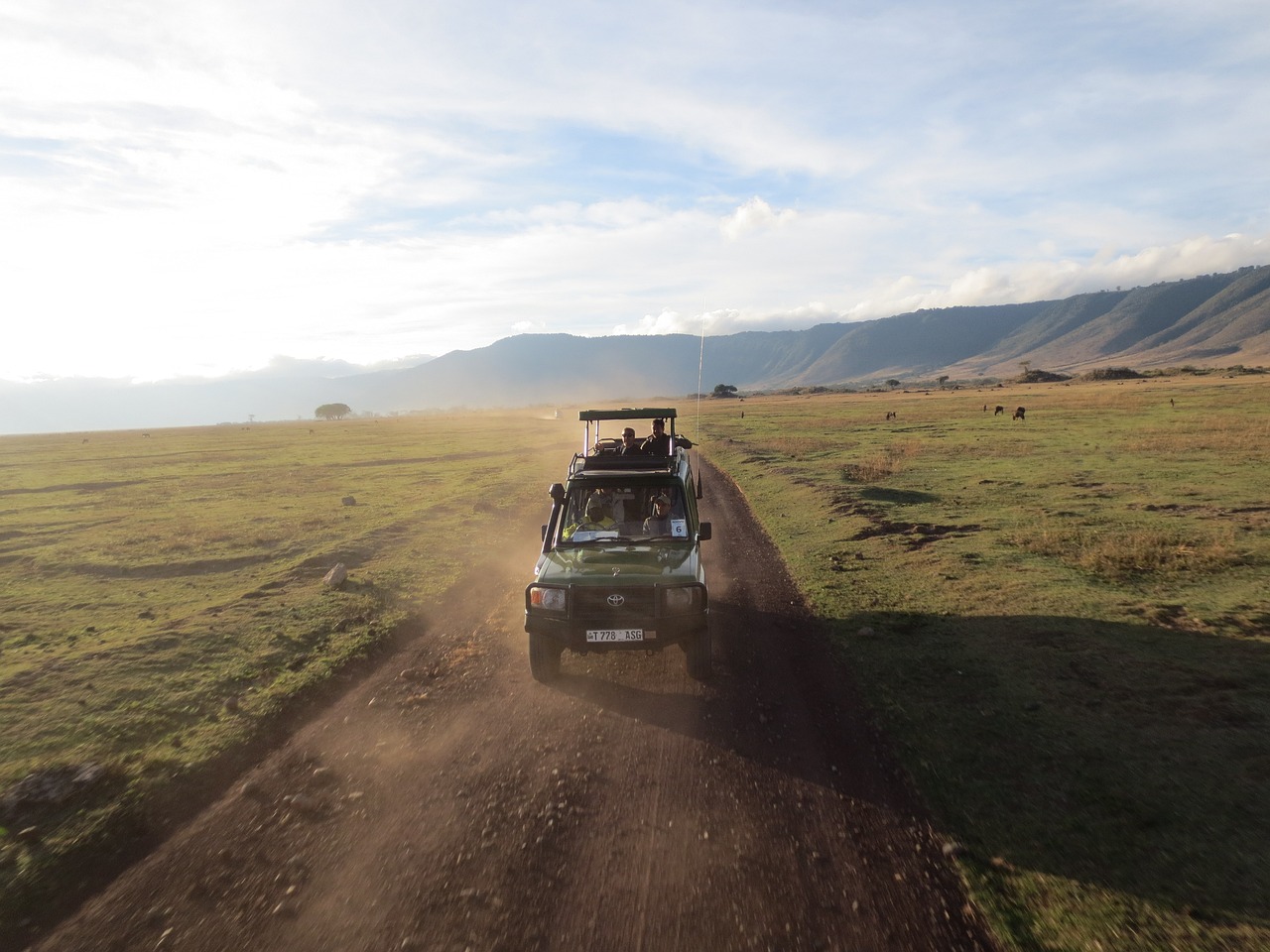
Let’s close with some vocabulary and expressions that you can use when renting a car: kukodisha gari (to rent a car), gari la milango miwili/minne (two-door/four-door car), gari lenye mfumo wa kuendesha magurudumu yote manne (four-wheel-drive vehicle), gia za otomatiki (automatic transmission), gia za mkono (manual transmission), bima (insurance), leseni ya udereva (driver’s license), kuchukua gari (to pick up the car), kurudisha gari (to return the car), kikomo cha kilomita (kilometrage/mileage limit).
- Tungependa kukodisha gari.
We would like to rent a car. - Tungependa gari la milango miwili/minne, tafadhali.
We would like a two-door/four-door car, please. - Tunahitaji gari lenye mfumo wa kuendesha magurudumu yote manne.
We need a four-wheel-drive vehicle. - Unapendelea gari la gia za otomatiki au gia za mkono?
Do you prefer automatic or manual transmission? - Hii hapa leseni yangu ya udereva.
Here is my driver’s license. - Bima inajumuisha nini?
What insurance coverage is included? - Kikomo cha kilomita kwa siku ni kipi?
What is the daily mileage/kilometrage limit? - Je, ninaweza kuchukua au kurudisha gari kwenye uwanja wa ndege?
Can I pick up or return the car at the airport?

Get on the road to speaking Swahili with the Language Garage!
We hope you’ve enjoyed learning some Swahili vocabulary for cars and driving. If you’d like to learn more:
- Create a free Language Garage account to access tons of Swahili vocabulary, grammar, and culture.
- Follow us on Facebook, LinkedIn, BlueSky, Twitter, Threads, Mastodon, Instagram, or Pinterest. We publish lots of Swahili vocabulary, grammar, and culture notes, so it’s a great way to pick up some new vocabulary and practice.
- Check out our other posts on Swahili language, culture, and more.
- Enroll in affordable, flexible, and personalized private online Swahili lessons or sign up for a small group online Swahili class.
Image by karine Lima from Pixabay