健康 Jiànkāng: Talking about Health and Fitness in Chinese
In this post we’re going to learn some vocabulary and expressions that you can use to talk about health and fitness in Chinese. First, we’ll start with some general vocabulary and expressions related to health and fitness overall. After that we’ll talk about diet and exercise. Finally, we’ll wrap up with some vocabulary and expressions related to health checkups.

Health and Fitness in Mandarin Chinese: General Expressions
First, let’s start with some general vocabulary and expressions that you can use to talk about health and fitness in Mandarin Chinese: 身体健康 shēntǐ jiànkāng to be healthy, 身体状况不好 shēntǐ zhuàngkuàng bù hǎo to be in poor health, 身体素质好 shēntǐ sùzhì hǎo to be physically fit, 身体素质差 shēntǐ sùzhì chà to be out of shape, 有健康的生活方式 yǒu jiànkāng de shēnghuó fāngshì to have a healthy lifestyle, 过不健康的生活 guò bù jiànkāng de shēnghuó to have an unhealthy lifestyle, 锻炼身体 duànliàn shēntǐ to exercise, 去健身房 qù jiànshēnfáng to go to the gym.
Example Sentences
- 健康很重要。
Jiànkāng hěn zhòngyào.
Health is important. - 我的身体素质很好。我的身体素质不太好。
Wǒ de shēntǐ sùzhì hěn hǎo. Wǒ de shēntǐ sùzhì bú tài hǎo.
I’m in good physical shape. I’m out of shape. - 你平时活动量很大。
Nǐ píngshí huódòngliàng hěn dà.
You have a physically active lifestyle. - 你平时久坐,很少运动。
Nǐ píngshí jiǔzuò, hěn shǎo yùndòng.
You have a sedentary lifestyle. - 他饮食很健康。他的饮食不太健康。
Tā yǐnshí hěn jiànkāng. Tā de yǐnshí bú tài jiànkāng.
He has a healthy diet. He has an unhealthy diet. - 她经常锻炼身体。她不怎么运动。
Tā jīngcháng duànliàn shēntǐ. Tā bù zěnme yùndòng.
She exercises regularly. She doesn’t exercise much. - 她每周去健身房锻炼五天。
Tā měi zhōu qù jiànshēnfáng duànliàn wǔ tiān.
She works out at the gym five days a week. - 我们只吃健康的食物。
Wǒmen zhǐ chī jiànkāng de shíwù.
We only eat healthy food. - 他们经常吃很不健康的食物。
Tāmen jīngcháng chī hěn bù jiànkāng de shíwù.
They often eat very unhealthy food. - 你需要多睡一会儿。
Nǐ xūyào duō shuì yíhuìr.
You need to get more sleep.
Usage Note
Mandarin distinguishes between 健康 jiànkāng healthy, 体能 tǐnéng physical fitness / physical capacity, and 体力 tǐlì physical strength or stamina. For example, 体力很好 tǐlì hěn hǎo means to have good stamina, while 身体健康 shēntǐ jiànkāng means to be healthy.
Two important verbs are 运动 yùndòng to exercise / participate in physical activity and 锻炼 duànliàn to train / exercise. Both are common, but 锻炼身体 duànliàn shēntǐ emphasizes exercising to improve one’s physical condition.
Talking about Diet in Mandarin Chinese
Next, let’s turn to diet. You can’t talk about health and fitness in Mandarin Chinese without talking about diet. First, here is some vocabulary: 健康的饮食 jiànkāng de yǐnshí a healthy diet, 不健康的饮食 bù jiànkāng de yǐnshí an unhealthy diet, 卡路里 / 热量 kǎlùlǐ / rèliàng calories / caloric energy, 超重 chāozhòng to be overweight, 体重增加 tǐzhòng zēngjiā to gain weight, 减肥 / 减重 jiǎnféi / jiǎnzhòng to lose weight, 正在节食 zhèngzài jiéshí to be dieting / restricting food intake, 脂肪 zhīfáng fat, 碳水化合物 tànshuǐ huàhéwù carbohydrates, 蛋白质 dànbáizhì protein.
Example Sentences
- 我需要减肥。我超重了。
Wǒ xūyào jiǎnféi. Wǒ chāozhòng le.
I need to lose weight. I’m overweight. - 你需要增加一点体重,你太瘦了!
Nǐ xūyào zēngjiā yìdiǎn tǐzhòng, nǐ tài shòu le!
You need to put on some weight, you’re too thin! - 你应该保持均衡饮食。
Nǐ yīnggāi bǎochí jūnhéng yǐnshí.
You should maintain a balanced diet. - 运动可以消耗很多热量。
Yùndòng kěyǐ xiāohào hěn duō rèliàng.
Exercise burns a lot of calories. - 糖、意大利面和面包都含有大量碳水化合物。
Táng, Yìdàlì miàn hé miànbāo dōu hányǒu dàliàng tànshuǐ huàhéwù.
Sugar, pasta, and bread all contain a lot of carbohydrates. - 肉、鸡蛋、奶酪和豆类都含有蛋白质。
Ròu, jīdàn, nǎilào hé dòulèi dōu hányǒu dànbáizhì.
Meat, eggs, cheese, and beans all contain protein. - 我两周前开始实行低碳水化合物饮食。
Wǒ liǎng zhōu qián kāishǐ shíxíng dī tànshuǐ huàhéwù yǐnshí.
I started a low-carb diet two weeks ago. - 我们坚持低脂饮食。
Wǒmen jiānchí dīzhī yǐnshí.
We follow a low-fat diet. - 蔬菜富含维生素、矿物质和膳食纤维。
Shūcài fùhán wéishēngsù, kuàngwùzhì hé shànshí xiānwéi.
Vegetables are rich in vitamins, minerals, and fiber. - 快餐对健康很不好。
Kuàicān duì jiànkāng hěn bù hǎo.
Fast food is very unhealthy. - 我们经常在家做饭,因为自己做的饭更健康。
Wǒmen jīngcháng zài jiā zuòfàn, yīnwèi zìjǐ zuò de fàn gèng jiànkāng.
We cook at home a lot because home-cooked food is healthier. - 你会计算自己摄入的卡路里吗?
Nǐ huì jìsuàn zìjǐ shèrù de kǎlùlǐ ma?
Do you count the calories you consume? - 我用一个应用程序来记录摄入的热量和运动量。
Wǒ yòng yí ge yìngyòng chéngxù lái jìlù shèrù de rèliàng hé yùndòngliàng.
I use an app to track my calorie intake and exercise.
Vocabulary Note
In everyday Mandarin, 减肥 jiǎnféi is the most common way to say to lose weight, even though 肥 féi literally relates to fatness. 减重 jiǎnzhòng is a more neutral or technical alternative, particularly in medical contexts.
For diet, 饮食 yǐnshí refers broadly to what someone eats and their dietary habits, while 节食 jiéshí means restricting food intake, often to lose weight. 控制饮食 kòngzhì yǐnshí means to control or manage one’s diet and doesn’t necessarily imply eating less.
低碳饮食 dītàn yǐnshí is a common shortened expression for low-carb diet, although 低碳 dītàn can also mean low-carbon in environmental contexts. 低碳水化合物饮食 dī tànshuǐ huàhéwù yǐnshí is more explicit.
Finally, 热量 rèliàng literally means heat / energy and is frequently used when discussing calories in food. 卡路里 kǎlùlǐ is the direct borrowing of calorie. On food labels, energy may be expressed in 千焦 qiānjiāo kilojoules.
Exercise
Now let’s continue our discussion of vocabulary related to health and fitness in Mandarin Chinese by focusing on exercise. Let’s start with some activity verbs.
- 锻炼身体 / 运动
duànliàn shēntǐ / yùndòng
to exercise - 练武术
liàn wǔshù
to practice martial arts - 做运动 / 参加体育运动
zuò yùndòng / cānjiā tǐyù yùndòng
to play sports / participate in physical activity - 踢足球 / 打篮球 / 打橄榄球 / 打冰球
tī zúqiú / dǎ lánqiú / dǎ gǎnlǎnqiú / dǎ bīngqiú
to play soccer/basketball/rugby/hockey - 跑步
pǎobù
to run - 走路 / 散步
zǒulù / sànbù
to walk / take a walk - 骑自行车
qí zìxíngchē
to ride a bike - 徒步旅行 / 徒步
túbù lǚxíng / túbù
to hike - 游泳
yóuyǒng
to swim - 去健身房
qù jiànshēnfáng
to go to the gym - 举重 / 做力量训练
jǔzhòng / zuò lìliàng xùnliàn
to lift weights / do strength training - 做有氧运动
zuò yǒuyǎng yùndòng
to do cardio - 练瑜伽
liàn yújiā
to do yoga - 打太极拳
dǎ tàijíquán
to do tai chi - 拉伸
lāshēn
to stretch
Vocabulary
If you do any of those activities, you may need to know how to say: 运动鞋 / 跑鞋 yùndòngxié / pǎoxié sneakers/running shoes, 登山鞋 / 徒步鞋 dēngshānxié / túbùxié hiking shoes, 自行车头盔 zìxíngchē tóukuī bicycle helmet, 泳衣 / 泳裤 yǒngyī / yǒngkù swimsuit / swim trunks, 杠铃 gànglíng barbell, 哑铃 yǎlíng dumbbell, 卧推凳 / 健身凳 wòtuī dèng / jiànshēn dèng weight bench, 跑步机 pǎobùjī treadmill, 椭圆机 tuǒyuánjī elliptical machine, 健身车 / 动感单车 jiànshēnchē / dònggǎn dānchē stationary exercise bike / spinning bike, 瑜伽垫 yújiā diàn yoga mat, 更衣室 gēngyīshì locker room.
Example Sentences
- 你平时做什么运动?
Nǐ píngshí zuò shénme yùndòng?
What sports or exercise do you usually do? - 我在上武术课。
Wǒ zài shàng wǔshù kè.
I’m taking martial arts classes. - 她踢足球 / 打篮球 / 打橄榄球 / 打冰球。
Tā tī zúqiú / dǎ lánqiú / dǎ gǎnlǎnqiú / dǎ bīngqiú.
She plays soccer/basketball/rugby/hockey. - 我每周跑步四五次。
Wǒ měi zhōu pǎobù sì wǔ cì.
I run four or five times a week. - 他每天晚上下班后都骑自行车。
Tā měi tiān wǎnshang xiàbān hòu dōu qí zìxíngchē.
He rides his bike every evening after work. - 我们每年都会去山里徒步好几次。
Wǒmen měi nián dōu huì qù shān lǐ túbù hǎo jǐ cì.
We go hiking in the mountains several times a year. - 你去哪家健身房?
Nǐ qù nǎ jiā jiànshēnfáng?
Which gym do you go to? - 我想办一张健身房会员卡。
Wǒ xiǎng bàn yì zhāng jiànshēnfáng huìyuánkǎ.
I want to get a gym membership. - 很多人在健身房做有氧运动。
Hěn duō rén zài jiànshēnfáng zuò yǒuyǎng yùndòng.
Many people do cardio at the gym. - 你用椭圆机,还是在跑步机上跑步?
Nǐ yòng tuǒyuánjī, háishi zài pǎobùjī shang pǎobù?
Do you use the elliptical machine, or do you run on the treadmill? - 我正在做俯卧撑 / 仰卧起坐。
Wǒ zhèngzài zuò fǔwòchēng / yǎngwòqǐzuò.
I’m doing push-ups/sit-ups. - 我每周做两次卧推。
Wǒ měi zhōu zuò liǎng cì wòtuī.
I do bench presses twice a week. - 我背部受伤了,所以不能举重。
Wǒ bèibù shòushāng le, suǒyǐ bù néng jǔzhòng.
I can’t lift weights because I injured my back. - 我去的健身房有瑜伽课。
Wǒ qù de jiànshēnfáng yǒu yújiā kè.
My gym offers yoga classes. - 有些人每天早上在公园里打太极拳。 Y
ǒuxiē rén měi tiān zǎoshang zài gōngyuán lǐ dǎ tàijíquán.
Some people do tai chi in the park every morning. - 我锻炼前会拉伸。
Wǒ duànliàn qián huì lāshēn.
I stretch before I work out.
Usage Note
Mandarin uses different verbs for different sports. 踢 tī, literally to kick, is used with soccer: 踢足球 tī zúqiú. 打 dǎ is used with many ball sports, including basketball, tennis, and hockey: 打篮球 dǎ lánqiú, 打网球 dǎ wǎngqiú, 打冰球 dǎ bīngqiú. Swimming and running, on the other hand, have their own verbs: 游泳 yóuyǒng and 跑步 pǎobù.
For gym workouts, 健身 jiànshēn means to work out / improve physical fitness, and 健身房 jiànshēnfáng means gym. 力量训练 lìliàng xùnliàn refers to strength training, while 有氧运动 yǒuyǎng yùndòng refers to aerobic exercise or cardio.
登山 dēngshān generally means mountain climbing / hiking in the mountains, while 徒步 túbù refers to hiking or trekking on foot. 散步 sànbù is a more leisurely walk.
Health Checkups
Finally, you can’t talk about health and fitness in Mandarin Chinese without talking about regular health checkups. Let’s start with some vocabulary: 医生 yīshēng doctor; 护士 hùshi nurse; 诊所 / 医疗中心 zhěnsuǒ / yīliáo zhōngxīn health clinic / medical center; 预约看医生 / 预约挂号 yùyuē kàn yīshēng / yùyuē guàhào to make a doctor’s appointment / register for a medical consultation, 做体检 zuò tǐjiǎn to have a physical examination, 血液检查 / 验血 xuèyè jiǎnchá / yànxiě blood tests, 血压 xuèyā blood pressure.
Example Sentences
- 我下周要做年度体检。
Wǒ xià zhōu yào zuò niándù tǐjiǎn.
I have my yearly physical next week. - 医生给我量血压。
Yīshēng gěi wǒ liáng xuèyā.
The doctor takes my blood pressure. - 医生用听诊器听我的肺部。
Yīshēng yòng tīngzhěnqì tīng wǒ de fèibù.
The doctor listens to my lungs with a stethoscope. - 医生让我去验血。
Yīshēng ràng wǒ qù yànxiě.
The doctor ordered blood tests for me. - 我的胆固醇偏高。
Wǒ de dǎngùchún piān gāo.
I have high cholesterol. - 他的血压高 / 低。
Tā de xuèyā gāo / dī.
He has high/low blood pressure. - 你在吃什么药?
Nǐ zài chī shénme yào?
What medications are you taking? - 我吃药来降低胆固醇。
Wǒ chī yào lái jiàngdī dǎngùchún.
I take medication to lower my cholesterol. - 她在吃降压药。
Tā zài chī jiàngyāyào.
She takes medication for high blood pressure. - 很多人都在服用抗抑郁药。
Hěn duō rén dōu zài fúyòng kàngyìyùyào.
Many people take antidepressants.
Usage Notes
In mainland China, 挂号 guàhào refers to registering for a medical consultation. 预约挂号 yùyuē guàhào means arranging that registration in advance. 体检 tǐjiǎn refers to a physical examination or health screening, and 年度体检 niándù tǐjiǎn means annual physical examination.
For blood tests, 验血 yànxiě is especially common in everyday speech, while 血液检查 xuèyè jiǎnchá is a more formal expression.
Finally, Mandarin commonly uses 吃药 chī yào, literally to eat medicine, to mean to take medication, including tablets and capsules. The more formal 服药 fú yào or 服用药物 fúyòng yàowù is common in medical instructions. For example, 请每天服药两次。 Qǐng měi tiān fú yào liǎng cì. Please take the medication twice a day.

Get on the road to speaking Chinese with the Language Garage!
We hope you’ve enjoyed learning how to talk about health and fitness in Chinese. If you’d like to learn more:
- Follow us on Facebook, LinkedIn, BlueSky, Twitter, Threads, Mastodon, Instagram, or Pinterest. We publish lots of Chinese vocabulary, grammar, and culture notes, so it’s a great way to pick up some new vocabulary and practice.
- Check out our other posts on Chinese language, culture, and more.
- Enroll in affordable, flexible, and personalized private online Chinese lessons or sign up for a small group online Chinese class.
- Create a free Language Garage account to access tons of Chinese vocabulary, grammar, and culture.
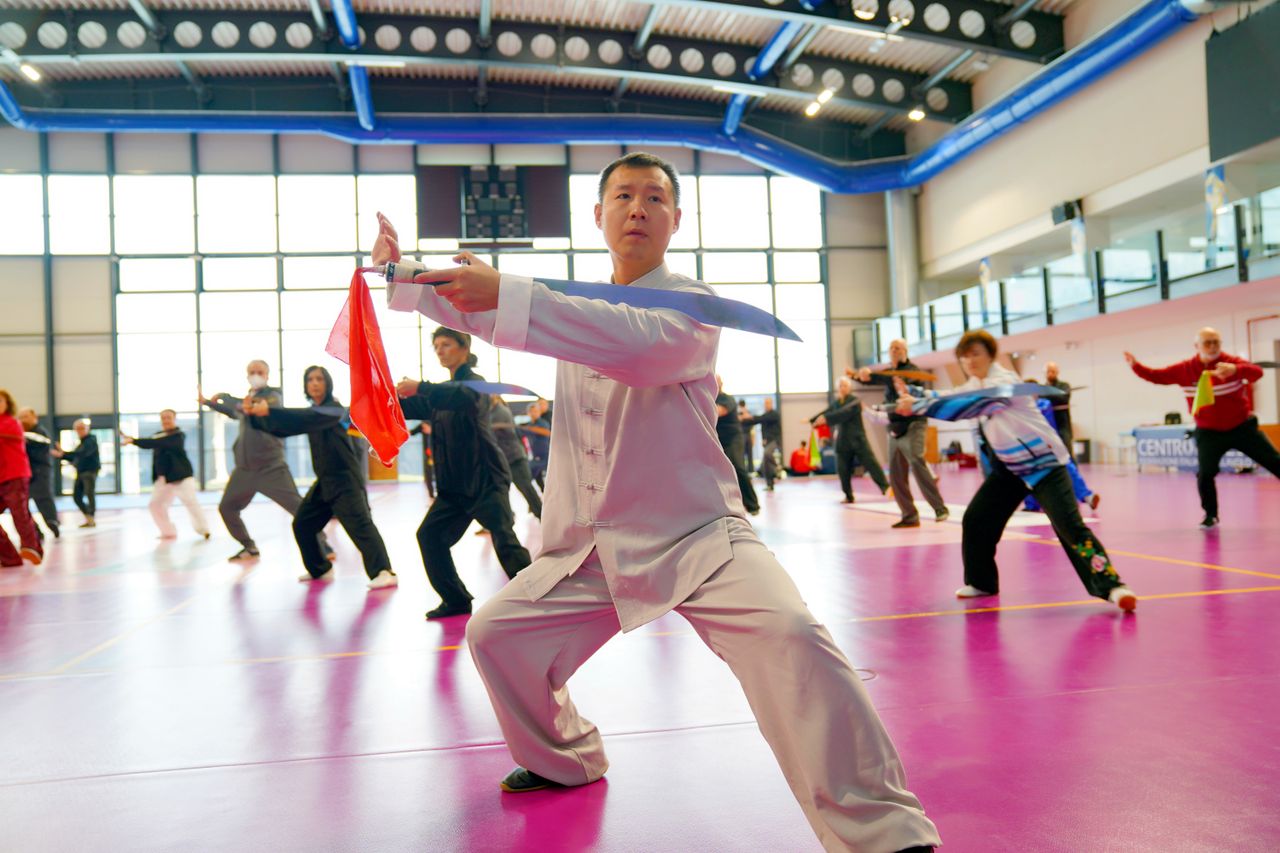
Photo by taichi Wubin wu on Pexels