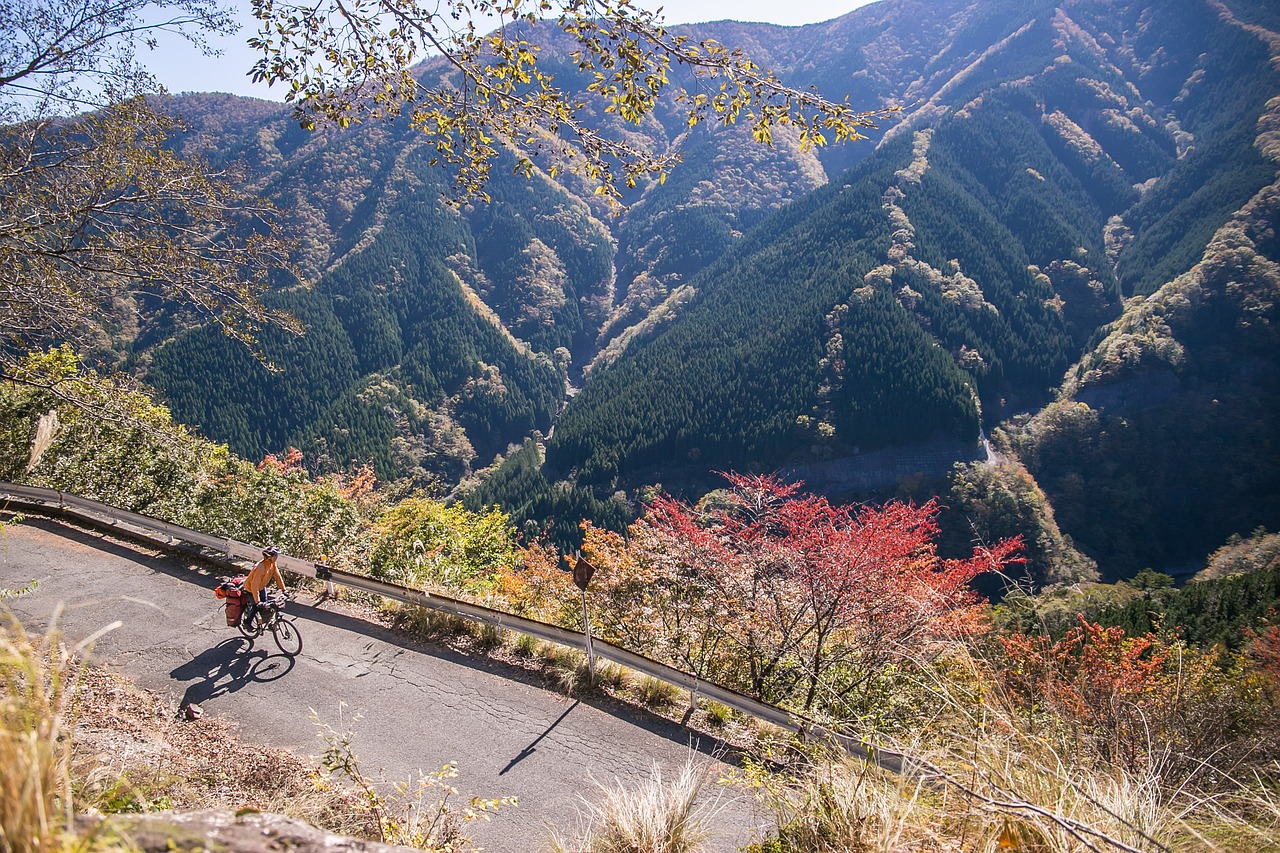
健康 Kenkō: Talking about Health and Fitness in Japanese
In this post we’re going to learn some vocabulary and expressions that you can use to talk about health and fitness in Japanese. First, we’ll start with some general vocabulary and expressions related to health and fitness overall. After that we’ll talk about diet and exercise. Finally, we’ll wrap up with some vocabulary and expressions related to health checkups.
Health and Fitness in Japanese: General Expressions
First, let’s start with some general vocabulary and expressions that you can use to talk about health and fitness in Japanese: 体調がいい taichō ga ii to feel well, 体調が悪い taichō ga warui to feel unwell, 体が鍛えられている karada ga kitaerarete iru to be physically fit / well-trained, 体力がある tairyoku ga aru to be in shape, to have good physical stamina, 体がなまっている karada ga namatte iru to be out of shape, 健康的な生活を送る kenkōteki na seikatsu o okuru to have a healthy lifestyle, 不健康な生活を送る fukenkō na seikatsu o okuru to have an unhealthy lifestyle, 運動する undō suru to exercise, ジムに通う jimu ni kayou to go to the gym regularly.
Examples
- 健康は大切です。
Kenkō wa taisetsu desu.
Health is important. - 体が鍛えられています。 体がなまっています。
Karada ga kitaerarete imasu. Karada ga namatte imasu.
I’m in shape. I’m out of shape. - 体をよく動かす生活をしています。
Karada o yoku ugokasu seikatsu o shite imasu.
You have a physically active life. - 座っている時間が長い生活をしています。
Suwatte iru jikan ga nagai seikatsu o shite imasu.
You have a sedentary life. - 健康的な食生活を送っています。不健康な食生活を送っています。
Kenkōteki na shokuseikatsu o okutte imasu. Fukenkō na shokuseikatsu o okutte imasu.
He has a healthy diet. He has an unhealthy diet. - 定期的に運動しています。運動していません。
Teikiteki ni undō shite imasu. Undō shite imasen.
She exercises regularly. She doesn’t exercise. - 週に5日ジムでトレーニングしています。
Shū ni itsuka jimu de torēningu shite imasu.
She works out at the gym five days a week. - 私たちは健康にいいものだけを食べます。
Watashitachi wa kenkō ni ii mono dake o tabemasu.
We only eat healthy food. - 体にとても悪いものを食べています。
Karada ni totemo warui mono o tabete imasu.
They eat very unhealthy food. - もっと睡眠を取らなければなりません。
Motto suimin o toranakereba narimasen.
You have to get more sleep.
Talking about Diet in Japanese
Next, let’s turn to diet. You can’t talk about health and fitness in Japanese without talking about diet. First, here is some vocabulary: 健康的な食生活 kenkōteki na shokuseikatsu a healthy diet, 不健康な食生活 fukenkō na shokuseikatsu an unhealthy diet, カロリー karorī calories, 太りすぎている futorisugite iru to be overweight, 体重が増える taijū ga fueru to gain weight, 体重を減らす taijū o herasu to lose weight, ダイエット中である daietto-chū de aru to be on a diet, 脂質 shishitsu fat, 炭水化物 tansuikabutsu carbohydrates, タンパク質 tanpakushitsu protein.
Examples
- 体重を減らさなければなりません。私は太りすぎています。
Taijū o herasanakereba narimasen. Watashi wa futorisugite imasu.
I need to lose weight. I’m overweight. - もう少し体重を増やしたほうがいいですよ。痩せすぎです!
Mō sukoshi taijū o fuyashita hō ga ii desu yo. Yasesugi desu!
You need to put on some weight, you’re too thin! - バランスの取れた食事をしたほうがいいです。
Baransu no toreta shokuji o shita hō ga ii desu.
You need to follow a balanced diet. - 運動すると、たくさんのカロリーを消費します。
Undō suru to, takusan no karorī o shōhi shimasu.
Exercise burns a lot of calories. - 砂糖、パスタ、パンには炭水化物が多く含まれています。
Satō, pasuta, pan ni wa tansuikabutsu ga ōku fukumarete imasu.
There are a lot of carbs in sugar, pasta, and bread. - 肉、卵、チーズ、豆にはタンパク質が含まれています。
Niku, tamago, chīzu, mame ni wa tanpakushitsu ga fukumarete imasu.
Meat, eggs, cheese, and beans have protein. - 2週間前に糖質制限ダイエットを始めました。
Nishūkan mae ni tōshitsu seigen daietto o hajimemashita.
I started a low-carb diet two weeks ago. - 私たちは脂質の少ない食事をしています。
Watashitachi wa shishitsu no sukunai shokuji o shite imasu.
We are on a low-fat diet. - 野菜にはビタミン、ミネラル、食物繊維が豊富に含まれています。
Yasai ni wa bitamin, mineraru, shokumotsu sen’i ga hōfu ni fukumarete imasu.
Vegetables are full of vitamins, minerals, and fiber. - ファストフードは健康にとても悪いです。
Fasuto fūdo wa kenkō ni totemo warui desu.
Fast food is very unhealthy. - 家で作る料理のほうが健康的なので、私たちはよく家で料理をします。
Ie de tsukuru ryōri no hō ga kenkōteki na node, watashitachi wa yoku ie de ryōri o shimasu.
We cook at home a lot because the food is healthier. - カロリーを計算していますか。
Karorī o keisan shite imasu ka.
Do you count your calories? - アプリを使って、摂取カロリーと運動量を記録しています。
Apuri o tsukatte, sesshu karorī to undōryō o kiroku shite imasu.
I use an app to track my calories and exercise.
Vocabulary Note
Japanese distinguishes 炭水化物 tansuikabutsu carbohydrates from 糖質 tōshitsu available carbohydrates / sugars and starches. You see this in the expression 糖質制限 tōshitsu seigen, which is especially common when talking about low-carb diets. Also note that ダイエット daietto generally refers to dieting for weight loss rather than simply someone’s usual diet. For a person’s general eating habits, 食生活 shokuseikatsu or 食事 shokuji is more appropriate.
Exercise
Now let’s continue our discussion of vocabulary related to health and fitness in Japanese by focusing on exercise. Let’s start with some activity verbs.
- 運動する
undō suru
to exercise - 空手をする
karate o suru
to practice karate - スポーツをする
supōtsu o suru
to play sports - サッカーをする / バスケットボールをする / ラグビーをする / ホッケーをする
sakkā o suru / basukettobōru o suru / ragubī o suru / hokkē o suru
to play soccer/basketball/rugby/hockey - 走る
hashiru
to run - 歩く
aruku
to walk - 自転車に乗る
jitensha ni noru
to ride a bike - ハイキングをする / 山歩きをする
haikingu o suru / yamaaruki o suru
to hike - 泳ぐ
oyogu
to swim - ジムに行く
jimu ni iku
to go to the gym - ウェイトトレーニングをする / 筋トレをする
weito torēningu o suru / kintore o suru
to lift weights / do strength training - 有酸素運動をする
yūsanso undō o suru
to do cardio - ヨガをする
yoga o suru
to do yoga - 太極拳をする
taikyokuken o suru
to do tai chi - ストレッチをする
sutoretchi o suru
to stretch
Vocabulary
If you do any of those activities, you may need to know how to say: スニーカー / ランニングシューズ sunīkā / ranningu shūzu sneakers/running shoes, 登山靴 / ハイキングシューズ tozangutsu / haikingu shūzu hiking shoes, 自転車用ヘルメット jitensha-yō herumetto bicycle helmet, 水着 mizugi swimming suit, バーベル bāberu barbells, ダンベル danberu dumbbells, トレーニングベンチ torēningu benchi weight bench, ランニングマシン / トレッドミル ranningu mashin / toreッドomiru treadmill, クロストレーナー / エリプティカルマシン kurosu torēnā / eriputikaru mashin elliptical machine, エアロバイク earo baiku stationary bike, ヨガマット yoga matto yoga mat, 更衣室 kōishitsu locker room.
Examples
- スポーツをしますか。
Supōtsu o shimasu ka.
Do you play sports? - 空手のクラスに通っています。
Karate no kurasu ni kayotte imasu.
I take karate classes. - サッカー / バスケットボール / ラグビー / ホッケーをします。
Sakkā / basukettobōru / ragubī / hokkē o shimasu.
She plays soccer/basketball/rugby/hockey. - 週に4、5回走ります。
Shū ni yon, go-kai hashirimasu.
I run four or five times a week. - 毎晩仕事の後で自転車に乗ります。
Maiban shigoto no ato de jitensha ni norimasu.
He rides his bike every evening after work. - 私たちは年に数回、山へハイキングに行きます。
Watashitachi wa nen ni sūkai, yama e haikingu ni ikimasu.
We go hiking in the mountains a few times a year. - どこのジムに通っていますか。
Doko no jimu ni kayotte imasu ka.
Which gym do you go to? - ジムの会員になりたいです。
Jimu no kaiin ni naritai desu.
I want to buy a gym membership. - 多くの人がジムで有酸素運動をしています。
Ōku no hito ga jimu de yūsanso undō o shite imasu.
Many people do cardio at the gym. - クロストレーナーを使いますか。それともランニングマシンで走りますか。
Kurosu torēnā o tsukaimasu ka. Soretomo ranningu mashin de hashirimasu ka.
Do you use the elliptical machine, or do you run on the treadmill? - 腕立て伏せ / 腹筋運動をしています。
Udetatefuse / fukkin undō o shite imasu.
I’m doing push-ups/sit-ups. - 週に2回ベンチプレスをしています。
Shū ni nikai benchi puresu o shite imasu.
I use the bench press twice a week. - 腰を痛めたので、ウェイトトレーニングができません。
Koshi o itameta node, weito torēningu ga dekimasen.
I can’t lift weights because I injured my back. - 私が通っているジムではヨガのクラスがあります。
Watashi ga kayotte iru jimu de wa yoga no kurasu ga arimasu.
My gym offers yoga classes. - 毎朝、公園で太極拳をしている人もいます。
Maiasa, kōen de taikyokuken o shite iru hito mo imasu.
Some people do tai chi in the park every morning. - トレーニングの前にストレッチをします。
Torēningu no mae ni sutoretchi o shimasu.
I stretch before I work out.
Vocabulary Note
Japanese uses many English loanwords for gym equipment and exercise, including ジム jimu gym, ダンベル danberu dumbbell, and ベンチプレス benchi puresu bench press. However, 筋トレ kintore, an abbreviation of 筋力トレーニング kinryoku torēningu, is an extremely common everyday expression for strength training. For cardio, 有酸素運動 yūsanso undō is the standard Japanese expression.
Health Checkups
Finally, you can’t talk about health and fitness in Japanese without talking about regular health checkups. Let’s start with some vocabulary: 医師 / 医者 ishi / isha doctor; 看護師 kangoshi nurse; クリニック / 診療所 kurinikku / shinryōjo health clinic; 医者の予約を取る / 診察の予約をする isha no yoyaku o toru / shinsatsu no yoyaku o suru to make a doctor’s appointment; 健康診断を受ける kenkō shindan o ukeru to have a physical examination; 血液検査 ketsueki kensa blood tests; 血圧 ketsuatsu blood pressure.
- 来週、年に一度の健康診断があります。
Raishū, nen ni ichido no kenkō shindan ga arimasu.
I have my yearly physical next week. - 医師が私の血圧を測ります。
Ishi ga watashi no ketsuatsu o hakarimasu.
The doctor takes my blood pressure. - 医師が聴診器で私の肺の音を聞きます。
Ishi ga chōshinki de watashi no hai no oto o kikimasu.
The doctor listens to my lungs. - 医師に血液検査を受けるように言われました。
Ishi ni ketsueki kensa o ukeru yō ni iwaremashita.
The doctor ordered blood tests for me. - コレステロール値が高いです。
Koresuterōru-chi ga takai desu.
I have high cholesterol. - 血圧が高いです / 低いです。
Ketsuatsu ga takai desu / hikui desu.
He has high/low blood pressure. - どんな薬を飲んでいますか。
Donna kusuri o nonde imasu ka.
What medications do you take? - コレステロールを下げる薬を飲んでいます。
Koresuterōru o sageru kusuri o nonde imasu.
I take medication for cholesterol. - 高血圧の薬を飲んでいます。
Kōketsuatsu no kusuri o nonde imasu.
She takes medication for high blood pressure. - 多くの人が抗うつ薬を服用しています。
Ōku no hito ga kōutsuyaku o fukuyō shite imasu.
Many people take anti-depressants.
Usage Notes
Japan has a particularly well-established culture of routine medical examinations. 健康診断 kenkō shindan refers to a health examination or checkup, often offered annually by employers or schools. The abbreviated form 健診 kenshin is also widely used. 人間ドック ningen dokku refers to a more comprehensive preventive medical screening, often involving multiple tests.
Notice that Japanese commonly uses 薬を飲む kusuri o nomu, literally to drink medicine, for taking oral medications, including tablets and capsules. The more formal 服用する fukuyō suru means to take medication and is common in medical contexts.

Get on the road to speaking Japanese with the Language Garage!
We hope you’ve enjoyed learning some vocabulary to talk about health and fitness in Japanese. If you’d like to learn more:
- Follow us on Facebook, LinkedIn, BlueSky, Twitter, Threads, Mastodon, Instagram, or Pinterest. We publish lots of Japanese vocabulary, grammar, and culture notes, so it’s a great way to pick up some new vocabulary and practice.
- Check out our other posts on Japanese language, culture, and more.
- Enroll in affordable, flexible, and personalized private online Japanese lessons or sign up for a small group online Japanese class.
- Create a free Language Garage account to access tons of Japanese vocabulary, grammar, and culture.
Image by Полина Андреева from Pixabay