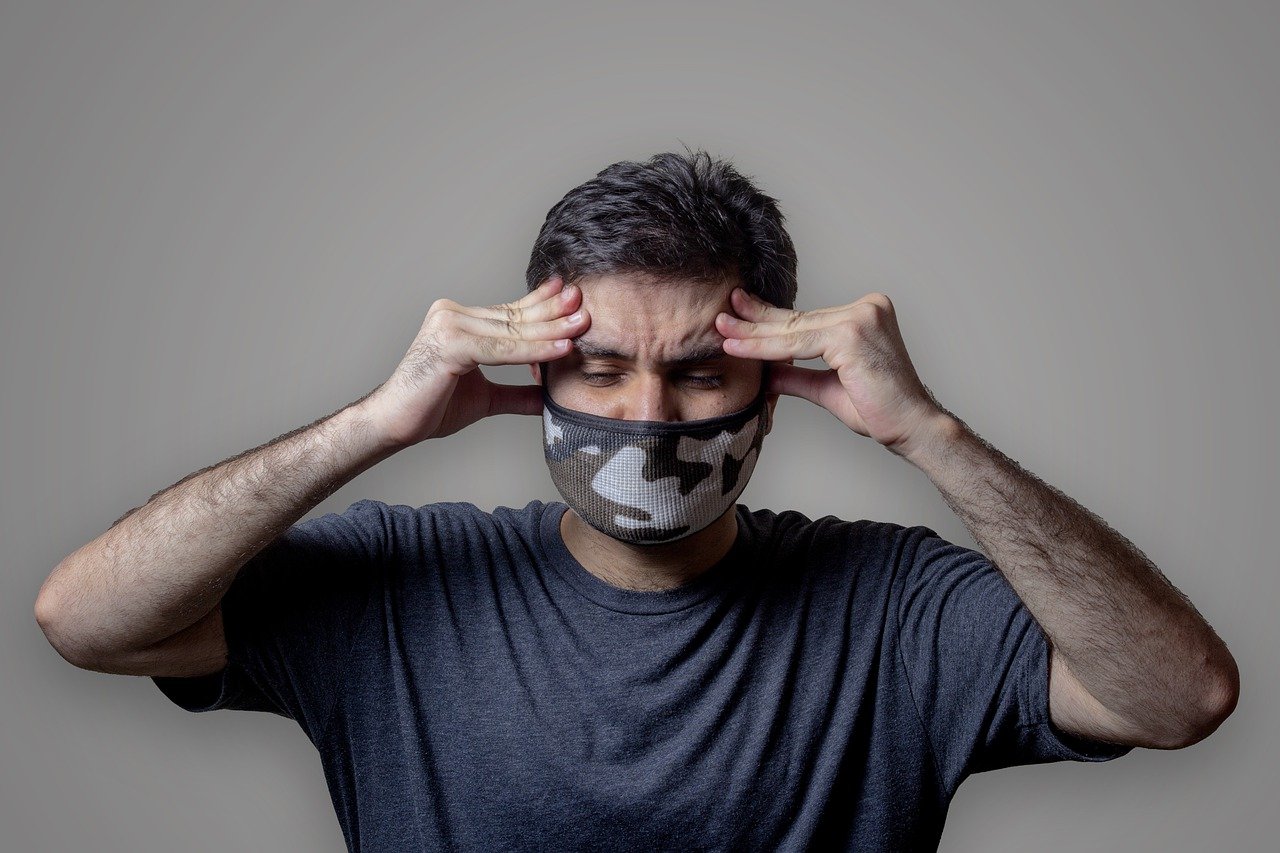
몸이 안좋아요! mom-i an johayo! I’m not feeling well! Korean Vocabulary for Illness and Feeling Sick
In this post we’ll learn a lot of Korean vocabulary for illness. First, we’ll start with some general Korean vocabulary for feeling sick. Then we’ll move on to vocabulary and expressions for talking about coughs, congestion, and headaches. After that we’ll move on to other Korean vocabulary for illness related to fevers and being sick to your stomach. Next we’ll cover some essential vocabulary for visiting the doctor. Finally, we’ll wrap up with expressions you can use when someone else is ill.
아파요. apayo. I’m sick.
Let’s start with some general Korean vocabulary for feeling sick.
- (나는) 몸이 안좋아요.
(na-neun) mom-i an johayo.
I don’t feel well. - 몸이 아픈 것 같아요.
mom-i apeun geot gatayo.
I think I’m getting sick. - (나는) 아파요.
(na-neun) apayo.
I’m sick.

- 감기에 걸렸어요.
gamgi-e geollyeosseoyo.
I have a cold. - 독감에 걸렸어요.
doggam-e geollyeosseoyo.
I have the flu. - 기침이 나요.
gichim-i nayo.
I have a cough. - 코가 막혔어요.
ko-ga magyeosseoyo.
I have a stuffy nose. - 머리가 아파요.
meoli-ga apayo.
I have a headache. - 열이 있어요.
yeol-i isseoyo.
I have a fever. - 속이 메스꺼워요.
sog-i meseukkeowoyo.
I feel nauseated. - 힘이 없어요.
him-i eobseoyo.
I have no energy. - 오늘 일하러 갈 수 없어요.
oneul ilha-leo gal su eobseoyo.
I can’t go to work today. - 오늘 학교에 갈 수 없어요.
oneul haggyo-e gal su eobseoyo.
I can’t go to school today.
기침이 심해요. gichim-i shimhaeyo. I have a bad cough.
기침gichim (a cough) is a pretty common symptom of all sorts of sicknesses.
- 목이 아파요.
mog-i apayo.
I have a sore throat. - 기침이 많이 나요.
gichim-i mani nayo.
I’m coughing a lot. - 밤새 기침해서 잠을 잘 못 잤어요.
bamsae gichimhae-seo jam-eul jal mot jasseoyo.
I didn’t sleep well, because I coughed all night. - 폐가 많이 답답해요.
pyega mani dabdabhaeyo.
My lungs are very congested. - 기침약을 먹어야 해요.
gichimyag-eul meogeoya haeyo.
I need to take cough syrup. - 기침약이 있어요?
gichimyag-i isseoyo?
Do you have cough drops? - 기침이 너무 심해서 목소리가 안 나와요.
gichim-i neomu shimhae-seo mogsoli-ga an nawayo.
I’m losing my voice because I’m coughing so much.
코가 막혀요. ko-ga magyeoyo. I have a stuffy nose.
The other really common symptom of being sick is a stuffy or runny nose.
- 코가 막혔어요.
ko-ga magyeosseoyo.
My nose is stuffed. - 콧물이 흘러요.
komul-i heulleoyo.
My nose is running. - 휴지가 필요해요.
hyuji-ga pilyohaeyo.
I need a tissue. - 코를 풀어야해요.
ko-leul puleoyahaeyo.
I need to blow my nose. - 충혈완화제를 사야해요.
chungyeol-wanhwaje-leul sayahaeyo.
I need to buy a decongestant. - 코로 숨을 쉴 수가 없어요.
ko-lo sum-eul shwil suga eobseoyo.
I can’t breathe through my nose. - 재채기를 많이 해요.
jaechaegi-leul mani haeyo.
I sneeze a lot. - 코 때문에 미치겠어요.
ko ttaemun-e michigesseoyo.
My nose is driving me crazy.
두통이 있어요. dutong-i isseoyo. I have a headache.
두통dutong (a headache) or 몸살momsal (body aches) are also pretty common when you’re sick.
- 두통이 아주 심해요.
dutong-i aju shimhaeyo.
I have a terrible headache. - 머리가 지끈거려요.
meoli-ga jikkeungeolyeoyo.
My head is pounding. - 아스피린 있어요?
aseupilin isseoyo?
Do you have aspirin? - 아스피린이 떨어졌어요.
aseupilin-i tteoleojyeosseoyo.
I ran out of aspirin. - 누워야 해요.
nuwo-ya haeyo.
I need to lie down. - 편두통이 있어요.
pyeondutong-i isseoyo.
I have a migraine. - 몸살이 있어요.
momsal-i isseoyo.
I have body aches.
열이 있어요. yeol-i isseoyo. I have a fever.
If you’re sick it’s important to know if you have a fever.
- 열이 있는 것 같아요.
yeol-i itneun geot gatayo.
I think I have a fever. - …씨는 열이 있는 것 같아요.
…sshi-neun yeol-i itneun geot gatayo.
You feel very warm to me. - …씨의 체온을 재야 해요.
…ssi-e che-on-eul jaeya haeyo.
You need to take your temperature. - 체온계가 있어요?
che-ongye-ga isseoyo?
Do you have a thermometer? - 체온이 낮아요.
che-on-i najayo.
You have a low fever. - 체온이 높아요.
che-on-i nopayo.
You have a high fever. - 체온을 낮춰야 해요.
che-on-eul najchwoya haeyo.
You need to lower your temperature. - 열이 내렸어요.
yeol-i naelyeosseoyo.
My fever broke.
토할 것 같아요. to-al geot gatayo. I’m going to throw up.
There are lots of other unpleasant symptoms that you may need to describe.
- 어지러워요.
eojileowoyo.
I’m dizzy. - 기절할 것 같아요.
gijeolhal geot gatayo.
I’m going to faint. - 구역질이 나요.
guyeogjil-i nayo.
I’m nauseated. - 토할 것 같아요.
to-al geot gatayo.
I’m going to vomit/throw up. - 설사를 해요.
seolsaleul haeyo.
I have diarrhea. - 오한이 있어요.
ohan-i isseoyo.
I have chills. - 땀이 나요.
ttam-i nayo.
I’m sweating. - 후각을 잃었어요.
hugag-eul ilheosseoyo.
I’ve lost my sense of smell. - 미각을 잃었어요.
migag-eul ilheosseoyo.
I’ve lost my sense of taste.
진료실에서 jinlyosil-eseo: At the doctor’s office
If you’re sick and it’s not going away, you need to go to the doctor.
- 진찰 받으러 갔어요?
jinchal bad-euleo gasseoyo?
Have you gone to see the doctor? - 진료 예약을 해야 해요.
jinlyo yeyag-eul haeya haeyo.
I need to make a doctor’s appointment. - 간호사가 내 혈압을 재요.
ganhosa-ga nae hyeolab-eul jaeyo.
The nurse takes my blood pressure. - 의사가 내 목과 귀를 봐요.
uisa-ga nae moggwa gwi-leul bwayo.
The doctor looks in my throat and ears. - 증상이 뭐예요?
jeungsang-i mwoyeyo?
What are your symptoms? - 감염이 되었어요.
gamyeom-i doeeoss-eoyo.
You have an infection. - 독감에 걸렸어요.
doggam-e geollyeosseoyo.
You have the flu. - 기관지염에 걸렸어요.
gigwanjiyeom-e geollyeosseoyo.
You have bronchitis. - 폐렴에 걸렸어요.
pyelyeom-e geollyeosseoyo.
You have pneumonia. - 항생제가 필요해요.
hangsaengje-ga pilyo haeyo.
You need antibiotics. - 여기 처방전이 있어요.
yeogi cheobangjeon-i isseoyo.
Here is a prescription. - 격리해야 해요.
gyeoglihaeya haeyo.
You need to isolate yourself. - 다른 사람을 아프게 하지 마세요.
daleun saram-eul apeuge haji maseyo.
Don’t get anyone else sick. - 쉬어야 해요.
shwieoya haeyo.
You need to rest. - 수분을 많이 섭취해야 해요.
subun-eul mani seobchwihaeya haeyo.
You need to drink a lot of fluids. - 혈액 검사를 할 거예요.
hyeol-aeg geomsa-reul hal geoyeyo.
I’m going to do blood tests on you. - 엑스레이가 필요해요.
egseulei-ga pilyo haeyo.
You need an X-ray.
빨리 나으세요. ppalli na-euseyo. Get Better Soon!
If you’re not sick but know someone who is, you may want to know how to say:
- 오늘은 좀 괜찮으세요?
oneul-eun jom gwaenchaneuseyo?
Are you feeling any better today? - 얼마나 오랫동안 아팠어요?
eolmana olaesdong-an apasseoyo?
How long have you been sick? - 병원에 가야해요.
byeongwon-e gaya haeyo.
You need to go to the doctor. - 나를 아프게 하지 마요!
na-reul apeuge haji mayo!
Don’t get me sick! - 뭐 좀 가져다 줄까요?
mwo jom gajyeoda julkkayo?
Can I bring you anything? - 나아지기를 바래요.
naajigi-reul balaeyo.
I hope you feel better! - 쾌유를 빌어요!
kwaeyu-reul bileoyo!
Get well soon!

Get on the road to speaking Korean with the Language Garage!
We hope you’ve enjoyed learning Korean vocabulary for illness and feeling sick. If you’d like to learn more:
- Create a free Language Garage account to access tons of Korean vocabulary, grammar, and culture.
- Follow us on Facebook, LinkedIn, BlueSky, Twitter, Threads, Mastodon, Instagram, or Pinterest. We publish lots of Korean vocabulary, grammar, and culture notes, so it’s a great way to pick up some new vocabulary and practice.
- Check out our other posts on Korean language, culture, and more.
- Enroll in affordable, flexible, and personalized private online Korean lessons or sign up for a small group online Korean class.
Image by Usman Yousaf from Pixabay