O que você está fazendo? What are you doing? Portuguese Action Verbs
In this post we’ll learn several common Portuguese action verbs. First, we’ll start with verbs of movement like come and go. After that we’ll turn to verbs that you can use to talk about your daily routine. Next, we’ll move on to verbs for basic actions around the house. Then we’ll look at verbs for shopping, working, and physical activities. Finally, we’ll learn some verbs for feeling and thinking, followed by verbs of ability, necessity, and desire.
Onde você vai? Where are you going?
Let’s start with a bunch of verbs to talking about coming and going: ir (a pé, de carro) to go (on foot, by car); andar to walk; vir to come, partir / deixar to leave; chegar to arrive; sair to go out; entrar to enter.
- Eu vou trabalhar de carro. Eu vou trabalhar a pé.
I go to work by car. I go to work on foot. - Nós andamos / caminhamos no parque todos os domingos.
We walk in the park every Sunday.

- Quem vem a festa este fim de semana?
Who’s coming to the party this weekend? - (Eu) geralmente saio tarde do trabalho.
I usually leave work late. - O trem chega às 10:00 da manhã.
The train arrives at 10am. - Eu saio com meus amigos.
I go out with my friends. - Eu nunca vou ao parque à noite.
I never go in the park at night.
À que horas você acorda? What time do you wake up?
Now let’s see some verbs that you can use to talk about your daily routine: acordar to wake up; tomar banho / tomar uma ducha to take a shower; tomar banho (de banheira) to take a bath; vestir-se to get dressed; vestir uma camisa to put on a shirt; tirar a roupa / despir-se to get undressed; tirar as calças to take off pants; escovar os dentes to brush your teeth; lavar as mãos to wash your hands; tomar café da manhã / almoçar / jantar to have breakfast/lunch/dinner; ir para cama to go to bed; dormir to sleep.
- Acordo cedo durante a semana, e acordo tarde nos fins de semana.
I wake up early during the week, and l wake up late on the weekend. - Eu sempre tomo uma ducha de manhã. Eu nunca tomo banho de banheira.
I always take a shower in the morning. I never take a bath. - Eu me visto rapidamente.
I get dressed quickly. - Ela veste uma malha de lã quando está frio.
She puts on a sweater when it’s cold. - Eu tiro a roupa antes de ir para cama.
I get undressed before bed. - Ele tira os sapatos dentro de casa.
He takes off his shoes in the house. - Escovo os dentes depois de comer.
I brush my teeth after I eat. - Lavo as mãos antes de comer.
I wash my hands before I eat. - À que horas você geralmente vai para cama?
What time do you usually go to bed? - Quantas horas você geralmente dorme?
How many hours do you usually sleep?
Ele fala bastante. He talks a lot.
Here are several general verbs that you can use in daily life, especially related to using language. falarto speak; conversar / falarto talk; dizerto say; entenderto understand; aprenderto learn; estudarto study; perguntarto ask; responderto answer.
- Quantas línguas você fala?
How many languages do you speak? - Falo com meus amigos todos os dias.
I talk with my friends every day. - O que ela está dizendo? Eu não estou entendendo.
What is she saying? I don’t understand. - Crianças aprendem muito na escola.
Children learn a lot in school. - O que você estuda na universidade?
What do you study at university? - Crianças fazem muitas perguntas.
Children ask a lot of questions. - O professor / A professora responde às perguntas.
The teacher answers questions.
Portuguese Action Verbs for Around the House and Every Day
Now let’s look at a few Portuguese action verbs that you can use to talk about what you do around the house and during your day: darto give; fazerto make; pegar / tirar / levarto take; abrirto open; fecharto close; usarto use; pegar / levantarto pick up; por / colocarto put.
- Eu dou um presente a minha amiga no aniversário dela.
I give my friend a present on her birthday. - As crianças fazem presentes para os seus pais.
The children make gifts for their parents. - Você pega o metrô ou o ônibus de manhã?
Do you take the train or the bus in the morning? - Ela abre a porta.
She opens the door. - Ele fecha a porta.
He closes the door. - Você usa uma caneta ou um lápis?
Do you use a pen or a pencil? - Eu pego as minhas sacolas / malas.
I pick up my bags. - Eu geralmente ponho as minhas chaves na gaveta.
I usually put my keys in a drawer.
O que você está comendo? What are you eating?
Now let’s look at some verbs that you can use to talk about typical situations at home related to eating, cooking, and cleaning: comerto eat; beberto drink; cozinharto cook; limparto clean; lavar as louçasto do the dishes; lavar roupasto do the laundry; guardar as louçasto put away the dishes;
- Como muito arroz.
I eat a lot of rice. - Você toma café ou chá de manhã?
Do you drink tea or coffee in the morning? - Você cozinha muito bem.
You cook very well! - Limpo o meu apartamento aos sábados.
Faço faxina no meu apartamento aos sábados.
I clean my apartment on Saturdays. - Lavamos as louças todas as noites.
We do dishes every evening. - Ele lava roupa aos domingos.
He does laundry on Sundays. - Nós guardamos as loucas quando elas estão limpas.
We put the dishes away when they are clean.
Portuguese Action Verbs for Relaxing at Home
Let’s continue with some more basic verbs for the home: assistir TVto watch TV; escutar músicato listen to music; lerto read; relaxarto relax; deitar-seto lie down; sentar-seto sit down; levantar-seto stand up.
- Você assiste/ Vocês assistem TV todas as noites?
Do you watch TV every evening? - Escuto música todos os dias.
I listen to music every day. - Leio na cama todas as noites.
I read every night in bed. - Relaxamos nos fins de semana.
We relax every weekend. - Eu me deito às tardes.
I lie down in the afternoon. - Nós nos sentamos na sala de estar.
We sit down in the living room. - Ele se levanta e sai do quarto.
He stands up and leaves the room.
Estou comprando comida. I’m buying food.
Here are some common verbs related to shopping: comprar to buy; ir às compras to go shopping; procurar to look for; encontrar / achar to find; pagar to pay; custar to cost; experimentar to try on; gastar dinheiro to spend money; sacar dinheiro de um caixa automático to withdraw money from an ATM; economizar/ poupar dinheiro to save money.
- Compramos comida no supermercado.
We buy food at the supermarket. - Fazemos compras todos os fins de semana.
We go shopping every weekend. - Estou procurando um par de sapatos novos.
I’m looking for a new pair of shoes. - Sempre encontramos algo interessante nesta loja.
He always finds something interesting in this store. - Você paga com dinheiro ou cartão de crédito?
Do you pay by cash or credit card? - Quanto custa aquilo?
How much does that cost? - Sempre experimento as roupas antes de comprá-las.
I always try on clothes before I buy them. - Ela gasta bastante dinheiro em livros.
She spends a lot of money on books. - Estou sacando dinheiro de um caixa automático.
I’m taking money out at the ATM. - Nunca consigo poupar dinheiro porque tudo é tão caro.
I never save money because everything is so expensive.
Onde você trabalha? Where do you work?
Now let’s look at some common verbs you can use at work: trabalhar to work; começar to start; terminar / acabar to end; escrever to write; ligar (telefonar) to call (on phone); enviar / mandar um e-mail to send an email; receber um e-mail to get an email; fazer uma pausa to take a break; ter uma reunião to have a meeting; discutir to discuss.
- Eu trabalho às segundas, terças, quartas, quintas, e sextas. Eu não trabalho aos sábados e domingos.
I work on Mondays, Tuesdays, Wednesdays, Thursdays, and Fridays. I don’t work on Saturdays and Sundays. - A reunião começa todas as segundas às 10 da manhã.
The meeting starts every Monday at 10am. - A que horas termina a reunião?
What time does the meeting end? - Ele escreve muitos relatórios.
He writes a lot of reports. - Eu ligo para os meus clientes.
I call my clients on the phone. - Ela envia muitos e-mails.
She sends a lot of emails. - Ela recebe muitos e-mails.
She receives a lot of emails. - Faço uma pausa à tarde para tomar um café.
I take a break in the afternoon and drink some coffee. - Temos muitas reuniões.
We have a lot of meetings. - O que se discute nas reuniões?
What do they discuss in the meetings?
Estamos nos divertindo! We’re having a good time!
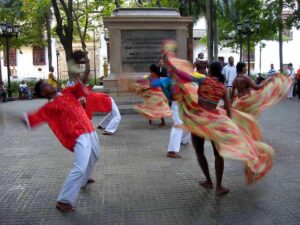
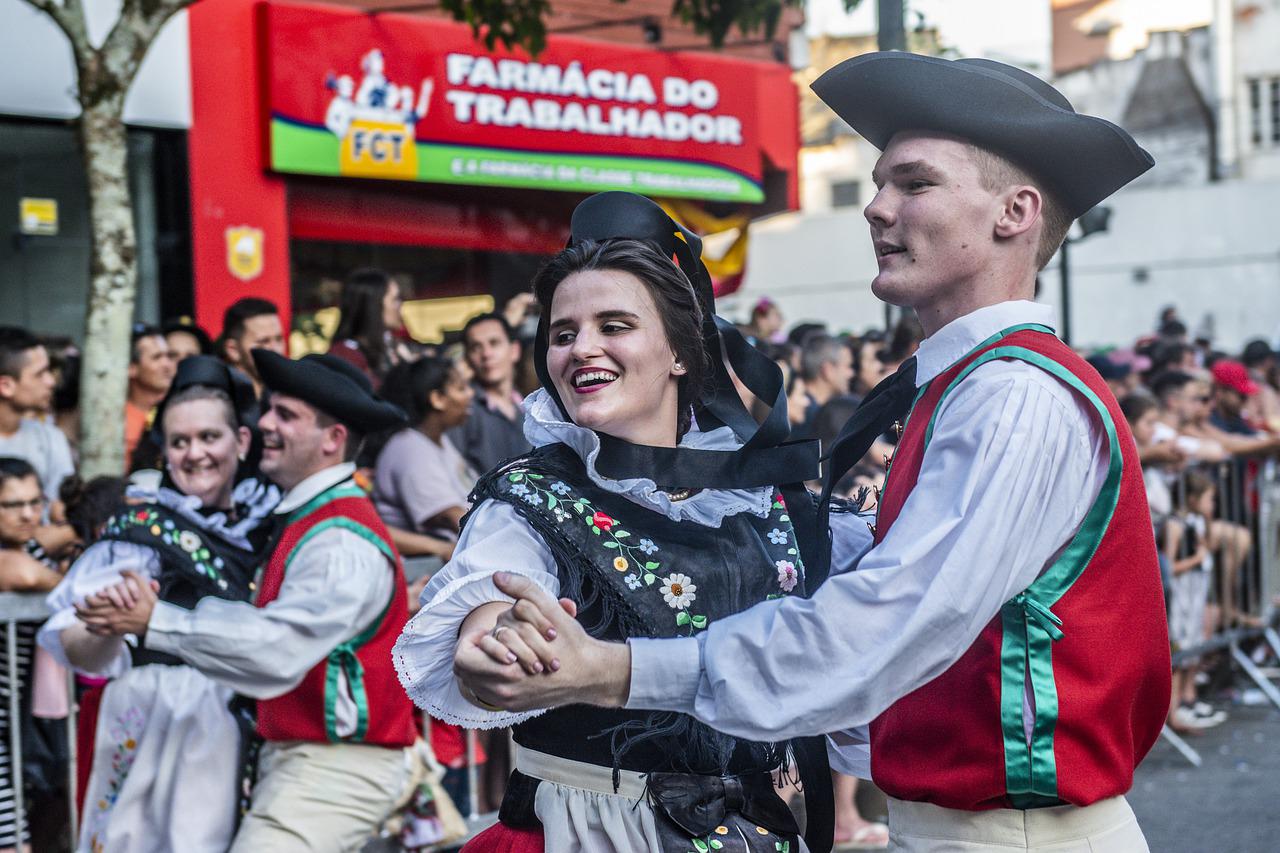
Now that we’ve gotten work out the way, let’s see some verbs that you can use for your free time: divertir-se to have a good time/to enjoy yourself; dançarto dance; cantarto sing; sorrirto smile; rirto laugh, malharto work out; nadarto swim; correrto run;
- Eu sempre me divirto com meus amigos / com minhas amigas.
I always have a good time with my friends. - Vamos aos clubes e dançamos todos os fins de semana.
We go to nightclubs and dance every weekend. - Ela canta muito bem!
She sings really well! - Ele está sempre sorrindo. Ele nunca está triste.
He always smiles. He’s never sad. - Eles/ Elas riem quando estão juntos/as.
They laugh when they’re together. - Eu malho quatro ou cinco vezes por semana.
I work out four or five days a week. - Você nada em uma piscina ou em um lago?
Do you swim in a pool or in a lake? - As crianças correm em um parque infantil / playground.
The children run in the playground.
Portuguese Action Verbs for Hobbies and Sports
Let’s continue in the theme of verbs for having fun with some Portuguese action verbs for hobbies, sports, and physical activities: jogar (um esporte) to play (a sport); tocar (um instrumento musical) to play (a musical instrument); pularto jump; subir / escalarto climb; engatinharto crawl; andar de bicicletato bike; dirigirto drive; jogarto throw; pegarto catch.
- Nós jogamos beisebol/ basquetebol / futebol.
We play baseball/basketball/soccer. - Eu toco piano / trompete / violino.
I play piano/trumpet/violin. - Os meninos pulam na cama.
The boys jump on the bed. - As meninas sobem nas árvores.
The girls climb trees. - O nenê engatinha no chão.
The baby crawls on the floor. - Nós andamos de bicicleta no parque todos os fins de semana.
We bike every weekend in the park. - Eu dirijo / vou de carro para o trabalho todos os dias.
I drive to work every day. - O menino joga a bola.
The boy throws the ball. - A menina pega a bola.
The girl catches the ball.
Eu cheiro algo. I smell something.
Here are a few verbs related to the senses: cheirar / sentir o cheiro to smell; ouvir to hear; ver to see; experimentar / saborear to taste; tocar to touch; sentir to feel; parecer to seem/appear; pensar to think; acreditar to believe; saber / conhecer to know; conhecer uma pessoa to know a person.
- Sentimos o cheiro de pão fresco.
We smell fresh bread. - Esta flor tem um cheiro muito bom!
This flower smells really nice! - A criança toca em tudo que vê.
The child touches everything he sees. - Você escuta os pássaros?
Do you hear the birds? - Você vê aquela mulher lá?
Do you see the woman over there? - Eu sempre experimento a comida quando cozinho.
I always taste food while I cook. - Esta sopa tem um sabor delicioso.
This soup tastes good. - Como você se sente hoje?
How do you feel today? - Ela parece estar triste com alguma coisa.
She seems unhappy about something. - Você está pensando sobre o que?
What are you thinking about? - Você acredita na explicação dele?
Do you believe his explanation? - O que é aquilo? Eu não sei.
What is that? I don’t know. - Eu conheço a irmã dele.
I know his sister.
Não consigo entender. I can’t understand.
Now let’s look at a few modals and types of verbs that you can combine with other verbs: poder / conseguir fazer can do; saber fazer know how to do; ter que fazer must do/have to do; querer fazer want to do; precisar fazer need to do; começar a fazer start doing; parar de fazer stop doing; continuar a fazer continue/keep doing.
- Você consegue ver a televisão?
Can you see the television? - Você sabe tocar piano?
Do you know how to play guitar? - Tenho que trabalhar amanhã.
I have to work tomorrow. - O que você quer fazer hoje à noite?
What do you want to do tonight? - Preciso estudar. Tenho um teste amanhã.
I need to study. I have a test tomorrow. - Começamos a trabalhar de manhã.
We start working early in the morning. - Eu paro de ler à meia-noite e vou para cama.
I stop reading at midnight and go to bed. - Eles continuam a falar durante o filme.
They keep talking during the movie.

Get on the road to speaking Portuguese with the Language Garage!
We hope you’ve enjoyed learning some Portuguese action verbs. If you’d like to learn more:
- Create a free Language Garage account to access tons of Portuguese vocabulary, grammar, and culture.
- Follow us on Facebook, LinkedIn, BlueSky, Twitter, Threads, Mastodon, Instagram, or Pinterest. We publish lots of Portuguese vocabulary, grammar, and culture notes, so it’s a great way to pick up some new vocabulary and practice.
- Check out our other posts on Portuguese language, culture, and more.
- Enroll in affordable, flexible, and personalized private online Portuguese lessons or sign up for a small group online Portuguese class.
Image: Soualexandrarocha on Pixabay